What It Costs
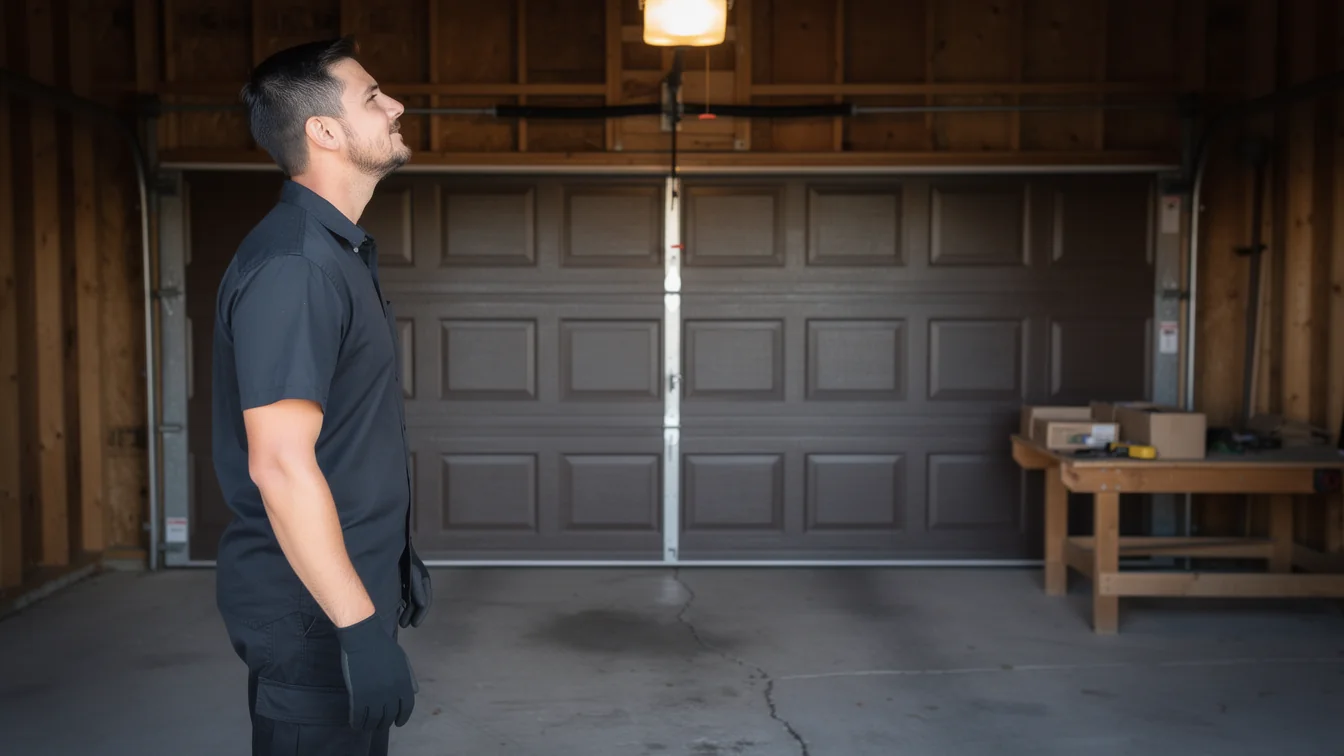
We can't print a number here that would hold true for every door, and we're not going to guess. What we can tell you is what's included once a truck is at your house: a full diagnostic of the opener, springs, cables, rollers, and track - not just the symptom you called about - and a straight answer on whether a part needs replacing or just adjusting. Most of the housing stock in Missoula's service area went up between 1976 and 2013, with the median build year landing around 1991, so the opener and spring hardware we're pulling out on most calls is from that same window. That matters for cost because parts for a chain-drive opener from 1992 aren't the same parts as a belt-drive unit from 2015, and knowing which one is on your wall before we quote anything is half the job. If your door needs a part we don't carry on the truck, we'll tell you that up front rather than padding the visit with a workaround that won't hold through winter.
How Local Conditions Play In
Missoula sits in a cold-severe climate band, and that changes what breaks and when. Grease in a torsion spring that's been sitting at sub-zero temperatures for a week stiffens up, and a stiff spring puts more strain on the opener's gears every single cycle. We see openers burn out in January that would have limped along another two winters somewhere milder. Steel cable also contracts in deep cold, which is why a cable that's been fraying slowly all fall will often finally snap on the coldest morning of the year, not the warmest. Across the eight named neighborhoods we work - Westside, Northside, the University District, Lower Rattlesnake, Franklin to the Fort, and the rest - the bulk of garages were built in the 1980s and 90s, which means a lot of single-wall insulation and hardware that was never spec'd for the kind of cold-severe swings this valley gets. A service call here isn't just fixing what's broken, it's checking whether the rest of the system is about to follow it into failure once temperatures drop again.
The Problem
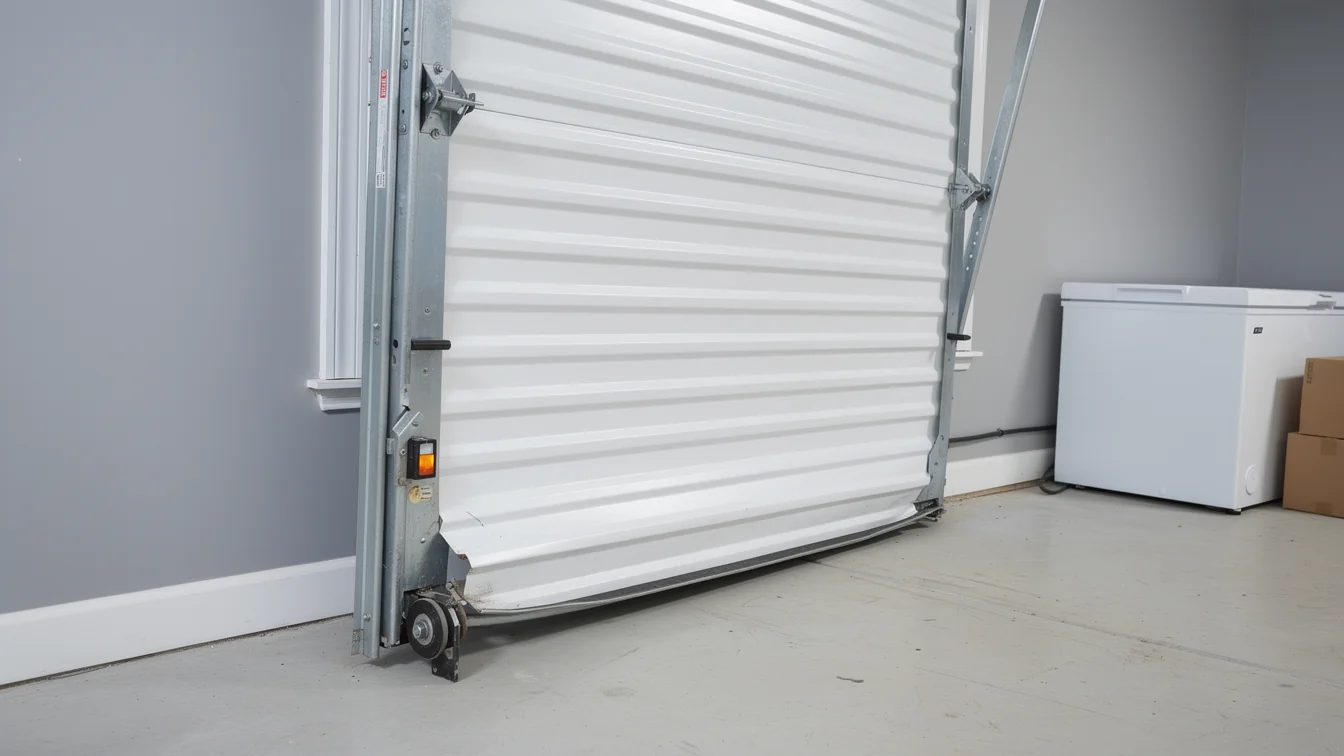
With 3,810 owner-occupied houses in the service area built mostly in that same 1980s-90s stretch, a huge share of our calls are for the same handful of original parts failing at the same age. Torsion springs are rated for a number of cycles, and a spring installed when a house was built in 1988 has had over three decades of cold-season stress on it - most are well past due. The second most common call is openers from that era reaching the end of their motor life right as a spring finally lets go, because the opener had been overworking to compensate for weeks or months. We also see a fair number of tracks bent from doors that were forced open manually after a spring failure, which turns a one-part fix into a two-part fix. None of this is unique to one street or one house - it's the age of the stock across the whole service area, and it shows up the same way call after call.
Doing Nothing For Now
Sometimes the honest answer is to wait. A door that's slow to open but still tracks straight, with rollers that aren't grinding, can often go a few more months before it needs attention - we won't push a repair that isn't due yet. But in a town where winter lows push into cold-severe territory, a spring that's already marginal from age will usually let go on the first hard cold snap, not in July, and it tends to happen without much warning. If your door is from the 1980s or 90s and you haven't had the spring looked at, that's the one thing worth a call before the temperature drops rather than after. We won't tell you to replace a door that still has life in it, and we won't recommend a repair on hardware that's cheaper to replace outright once the parts cost outweighs the labor - that's a judgment call we'll walk you through at the house, not over the phone.
Talk to a local pro
Garage door trouble in Missoula?
Same-day service with honest, upfront quotes.