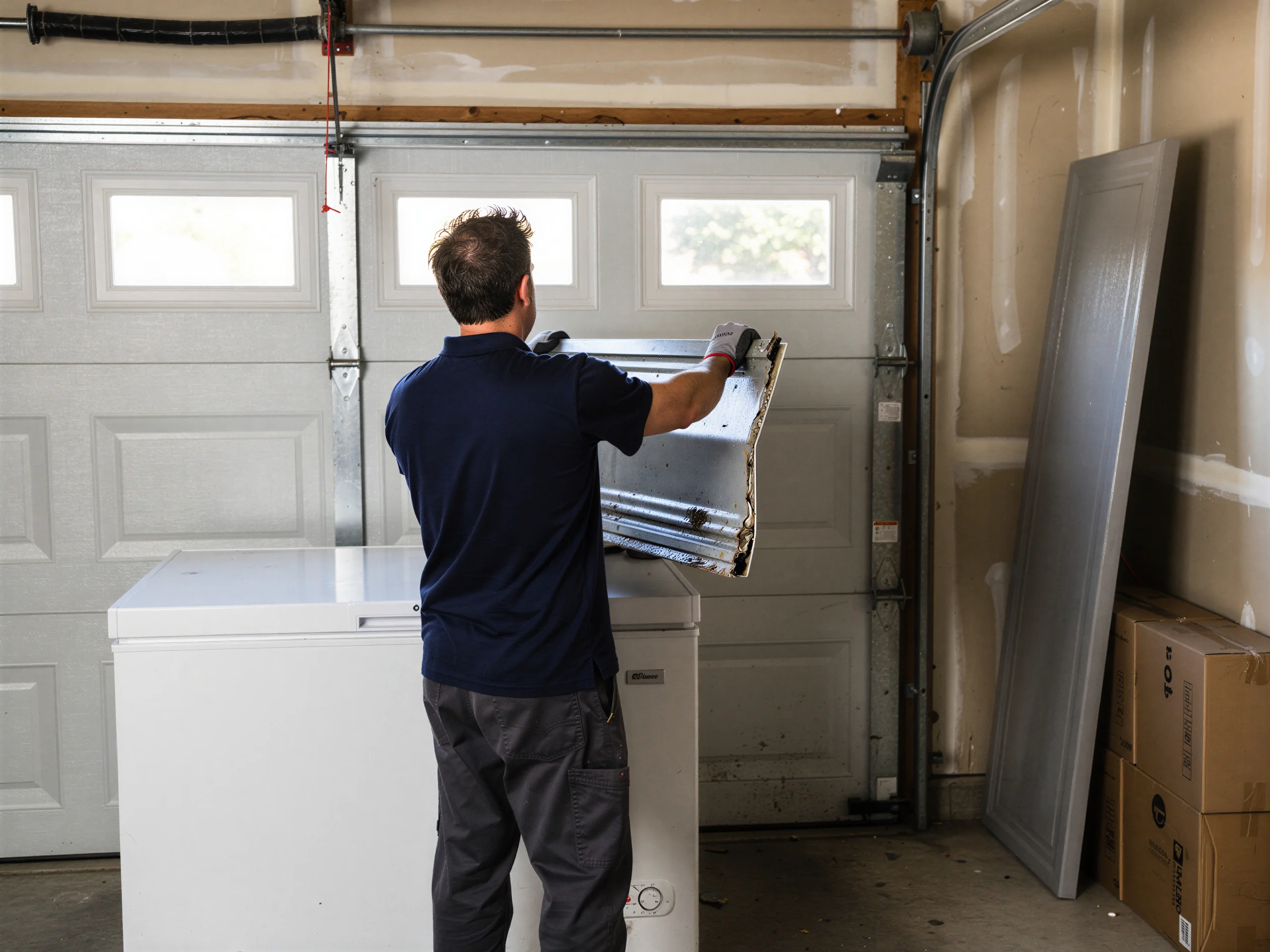
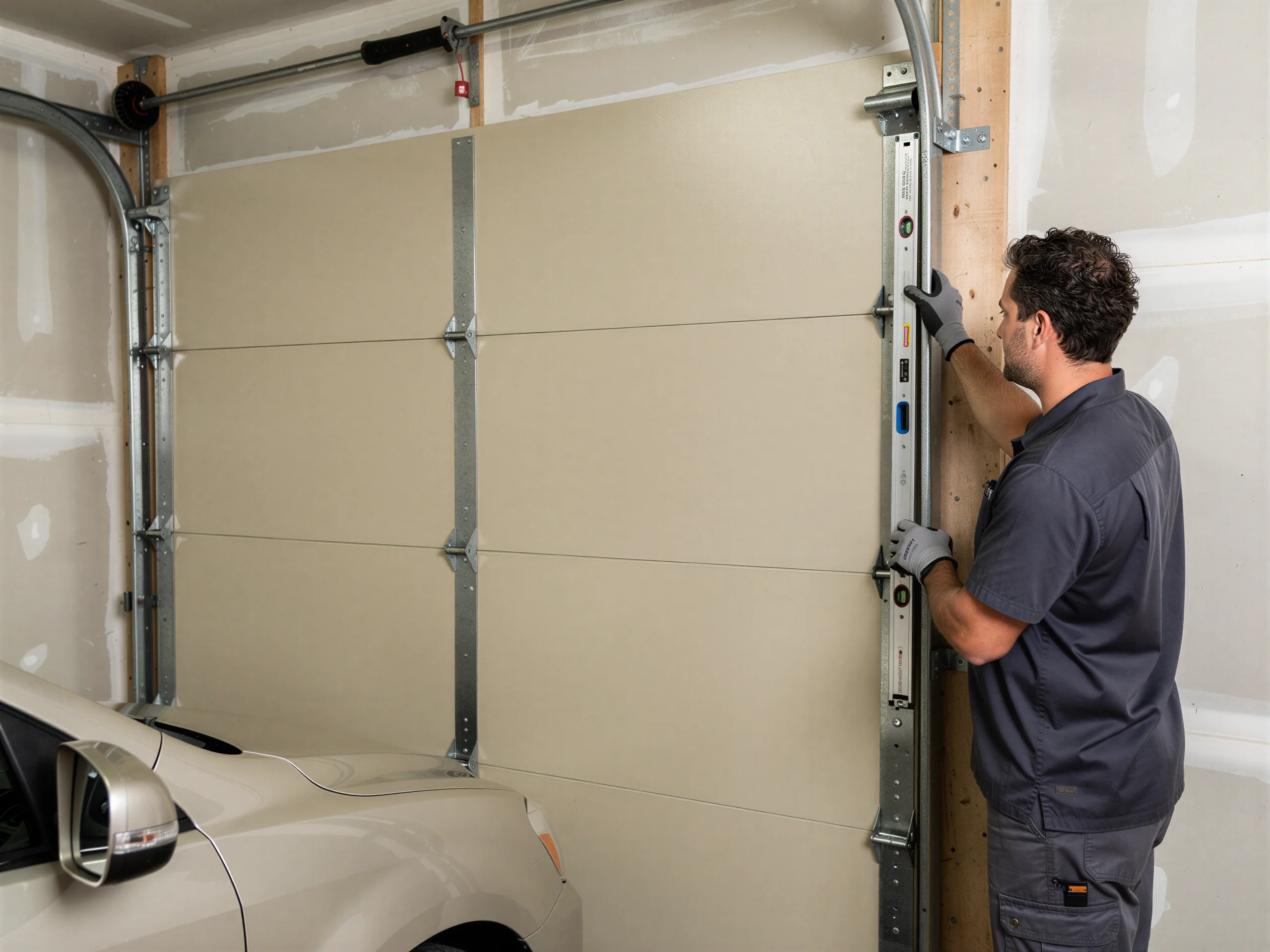
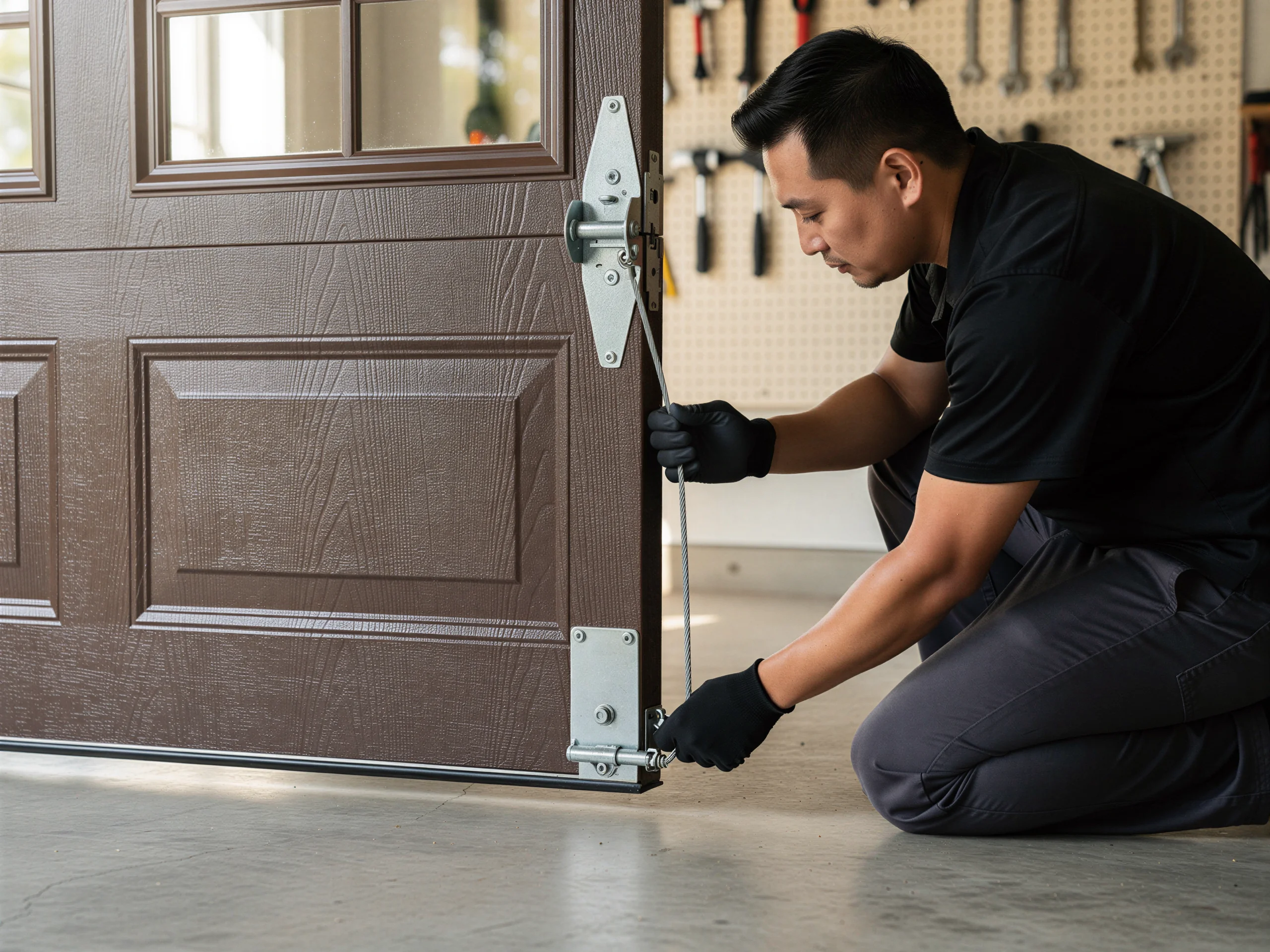
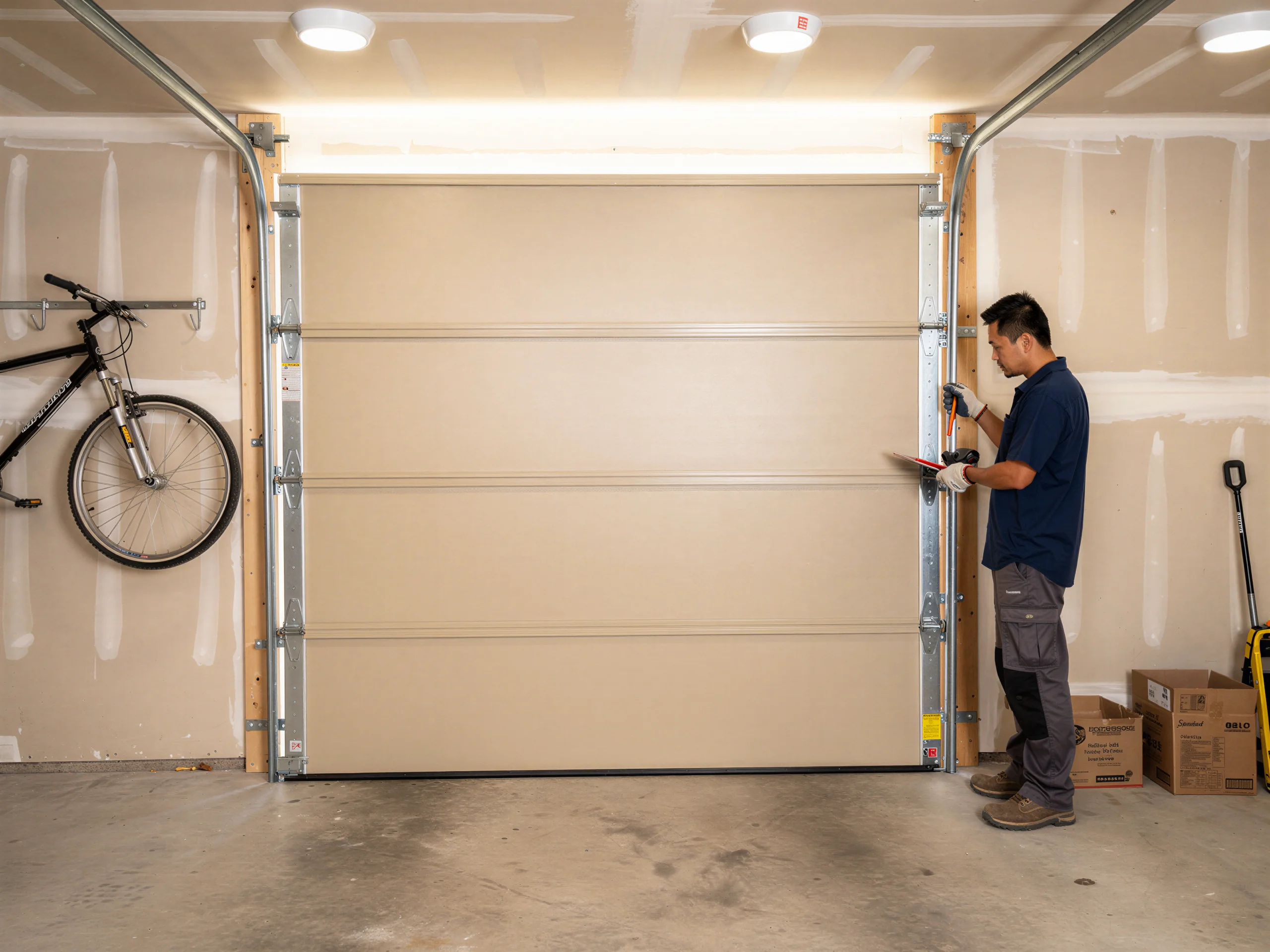
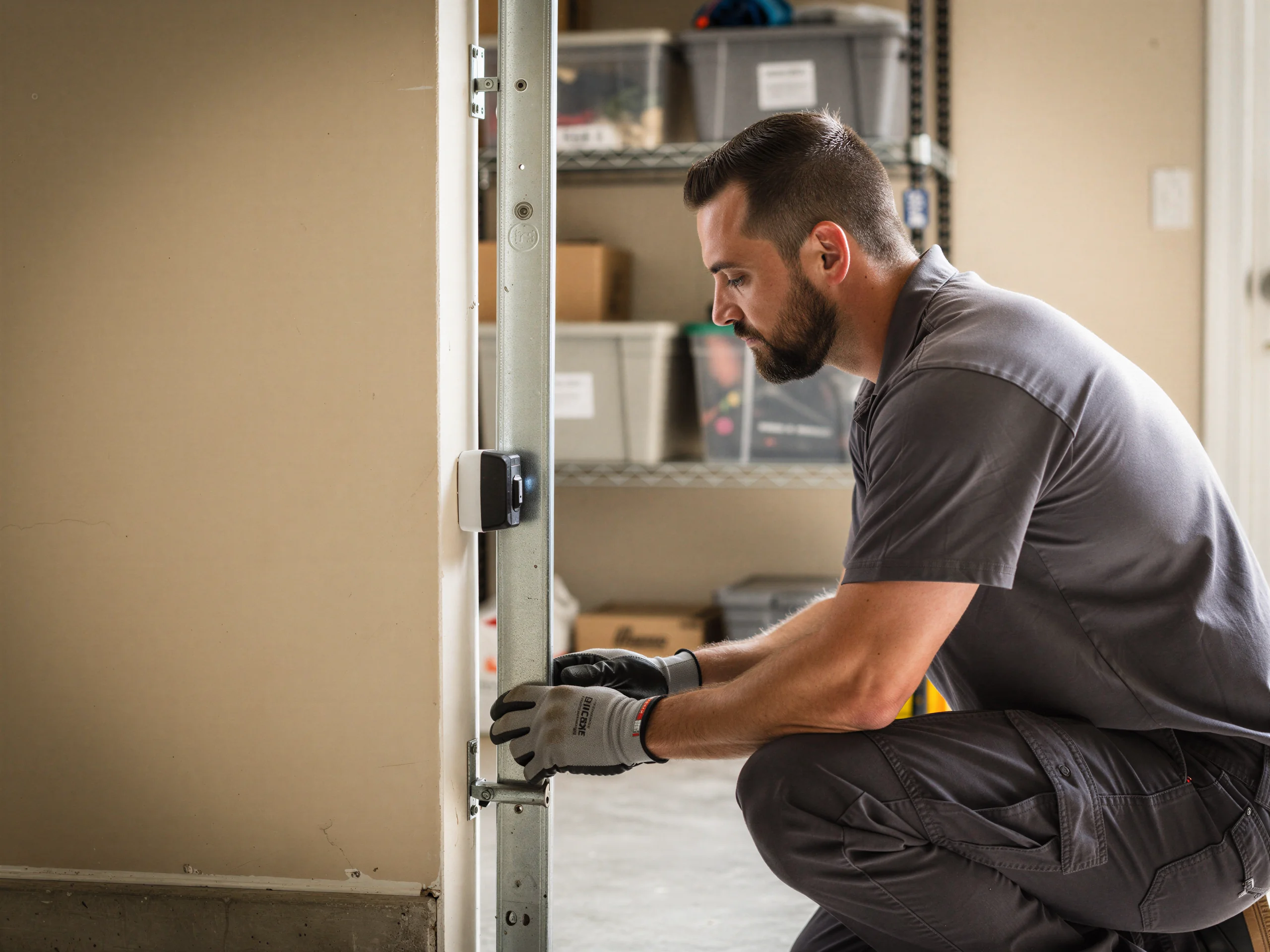
A dented or cracked panel sounds like a simple swap, and sometimes it is. The trouble starts with matching. Most of the doors we see in this area went in between 1976 and 2013, with the bulk of that stock dating to the 1980s and 90s across the eight neighborhoods we work in most - Orchard Homes, the Westside, Northside, Franklin to the Fort, and the rest of the valley out to Bonner and Lolo. A door that age often came from a manufacturer that's since changed its panel profile, its steel gauge, or dropped the color entirely. You can order a replacement panel that fits the track width and still ends up with a visible seam where the new steel doesn't flex or weather the same as the old.
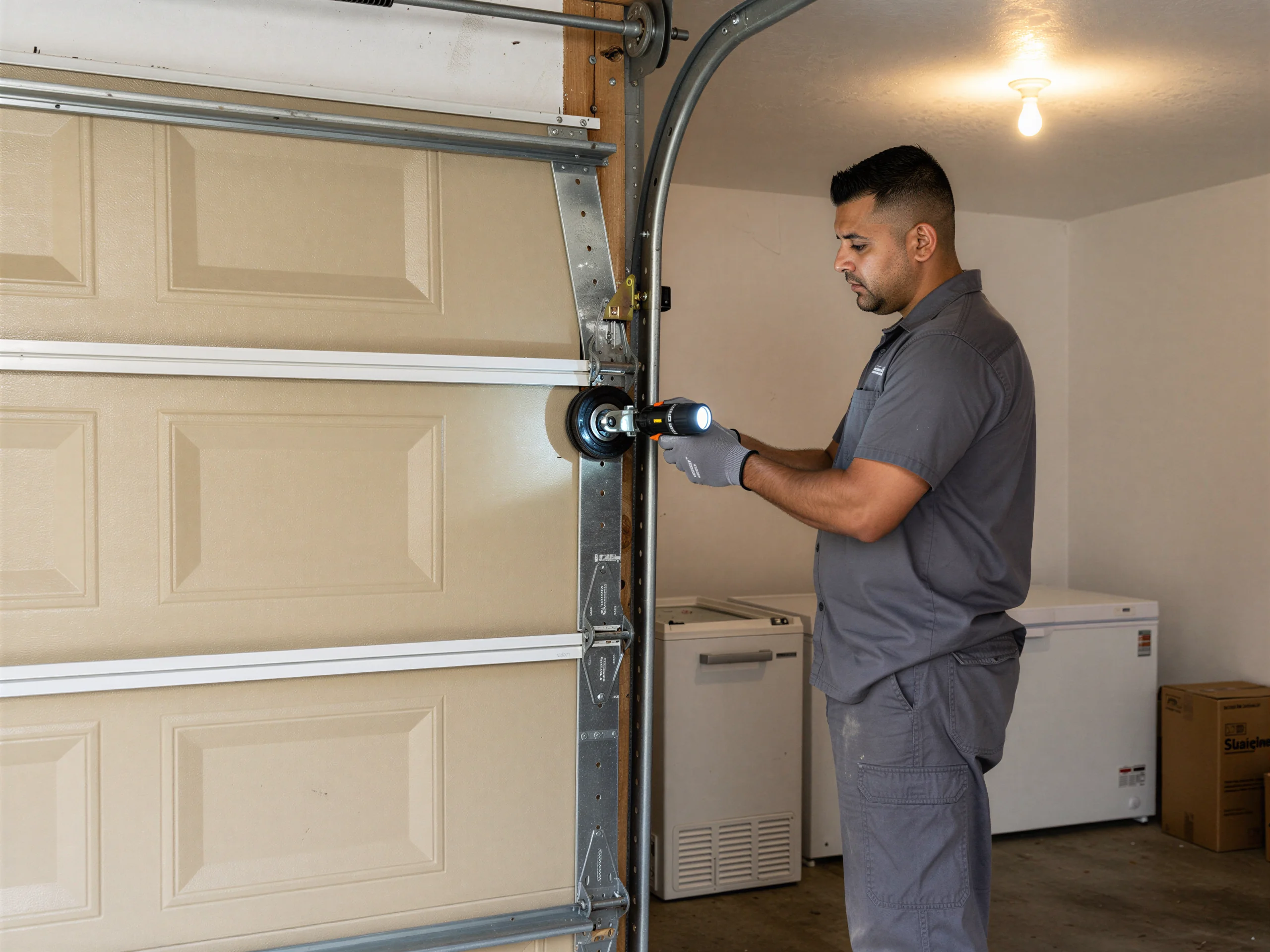
Then there's the hardware underneath. Hinges and rollers on a panel that old have usually worked their way loose or worn oval, so pulling one section means you're often dealing with fasteners that strip or brackets that need re-drilling. None of that shows up until the old panel is off the track. We quote the panel, but we flag the hardware before we start, not after.