
Fresh opener wiring runs
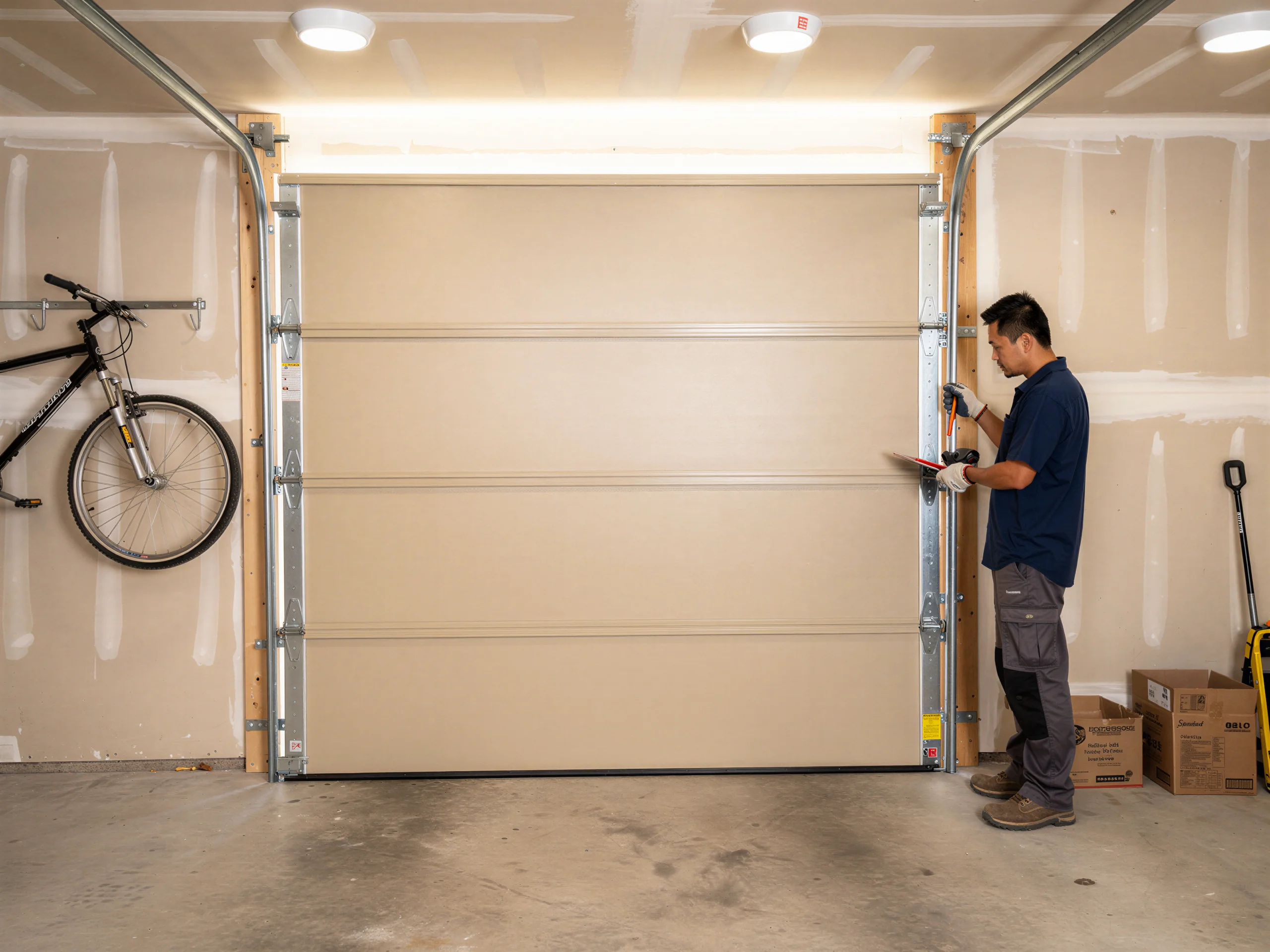
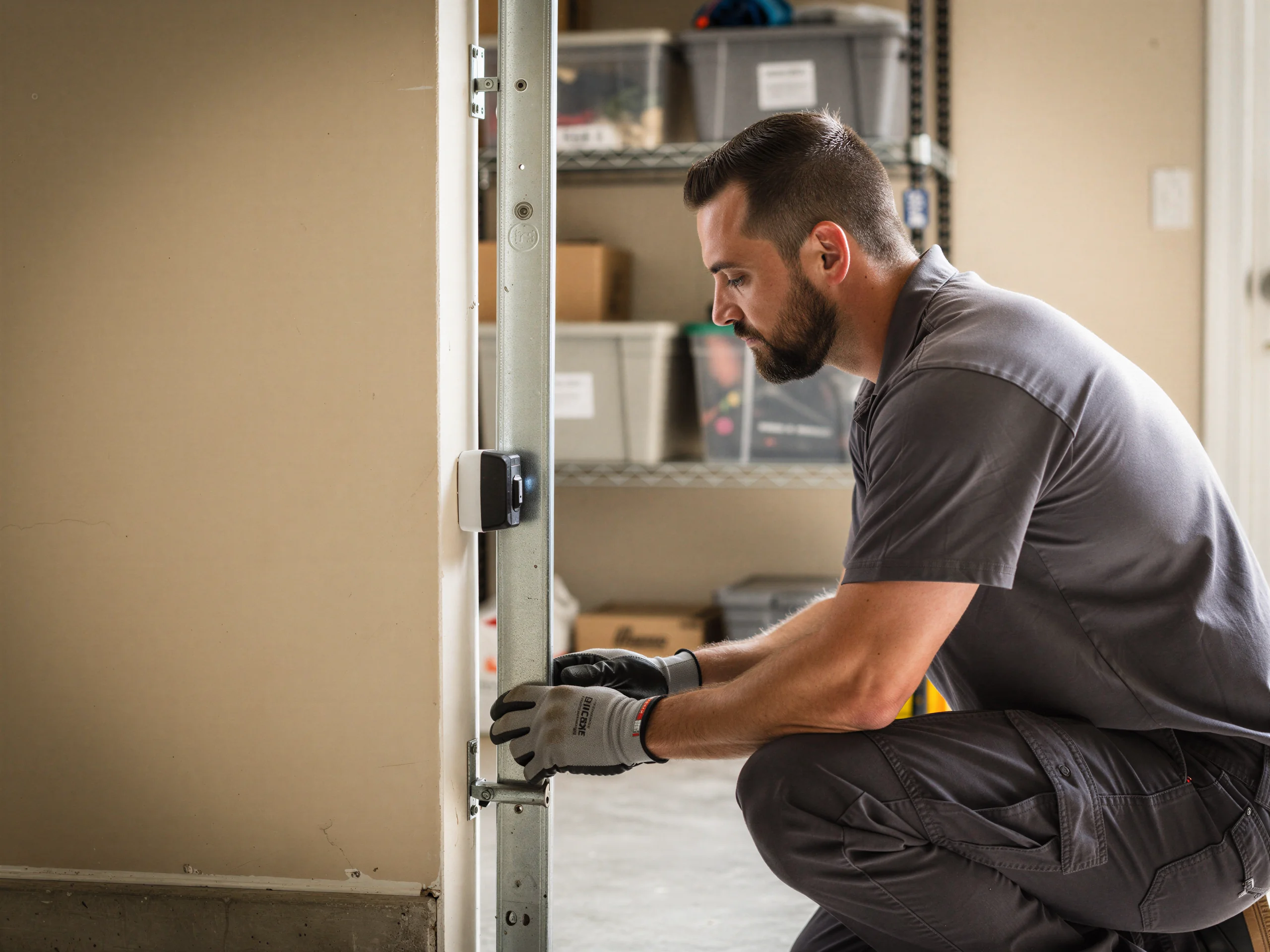
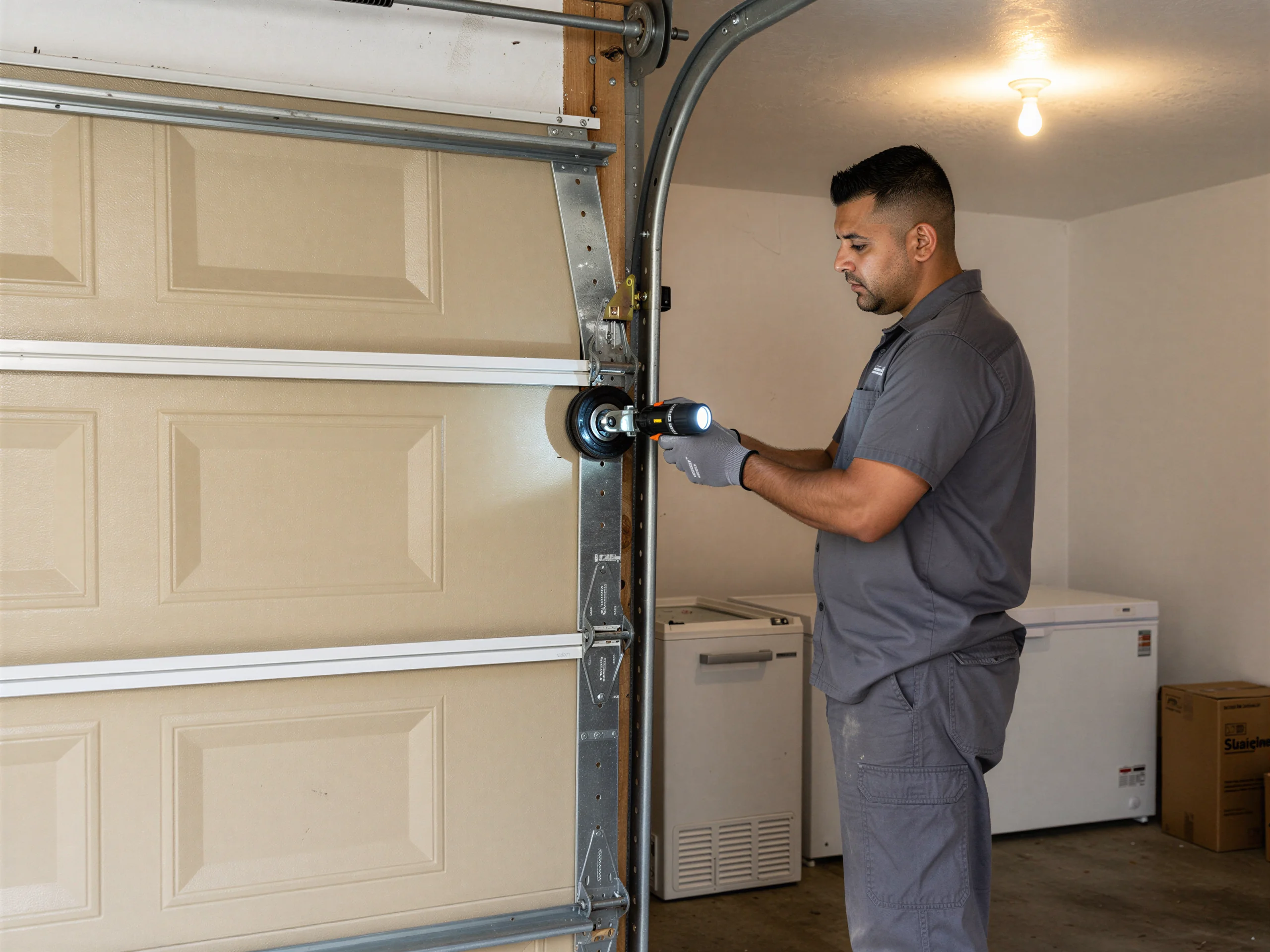
We set new track, mount the torsion spring system rated for the door weight, and run the opener wiring fresh rather than reuse old runs, since wiring from that era rarely meets current standards.
 Missoula, MT
Orchard Homes, Missoula
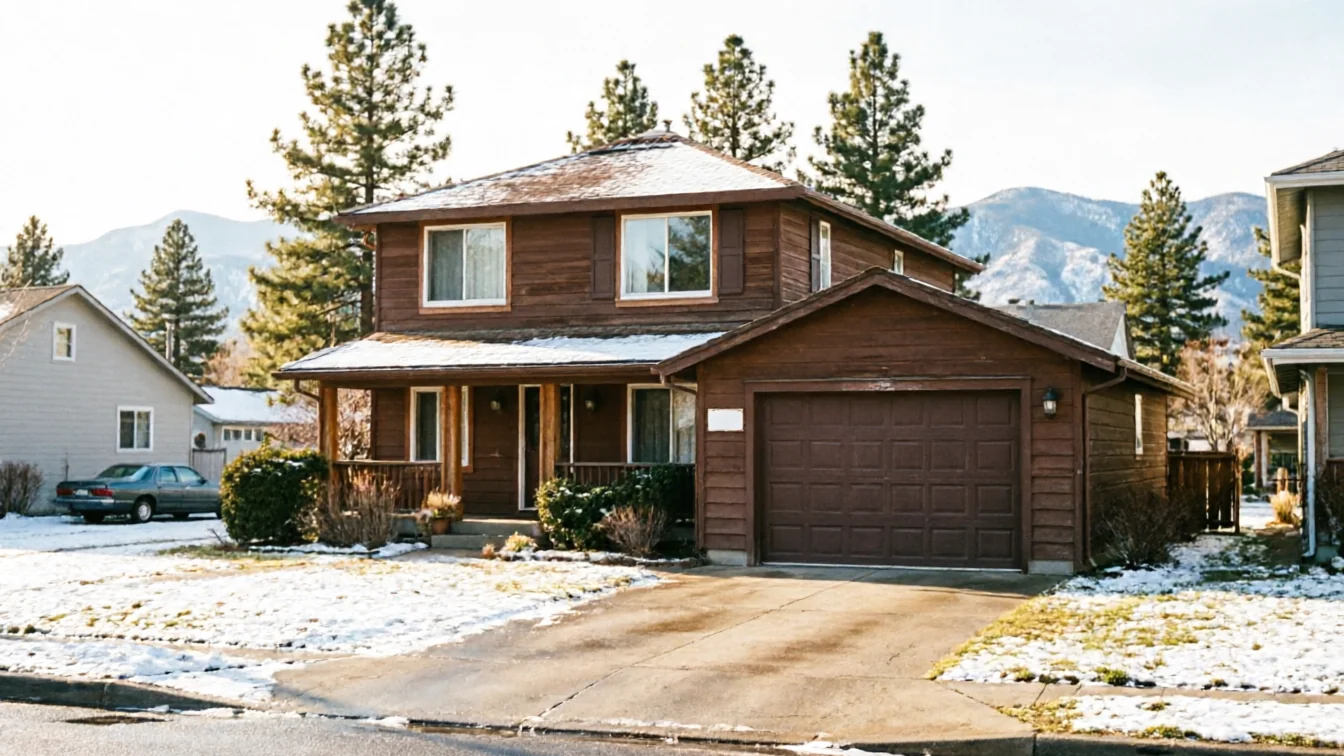
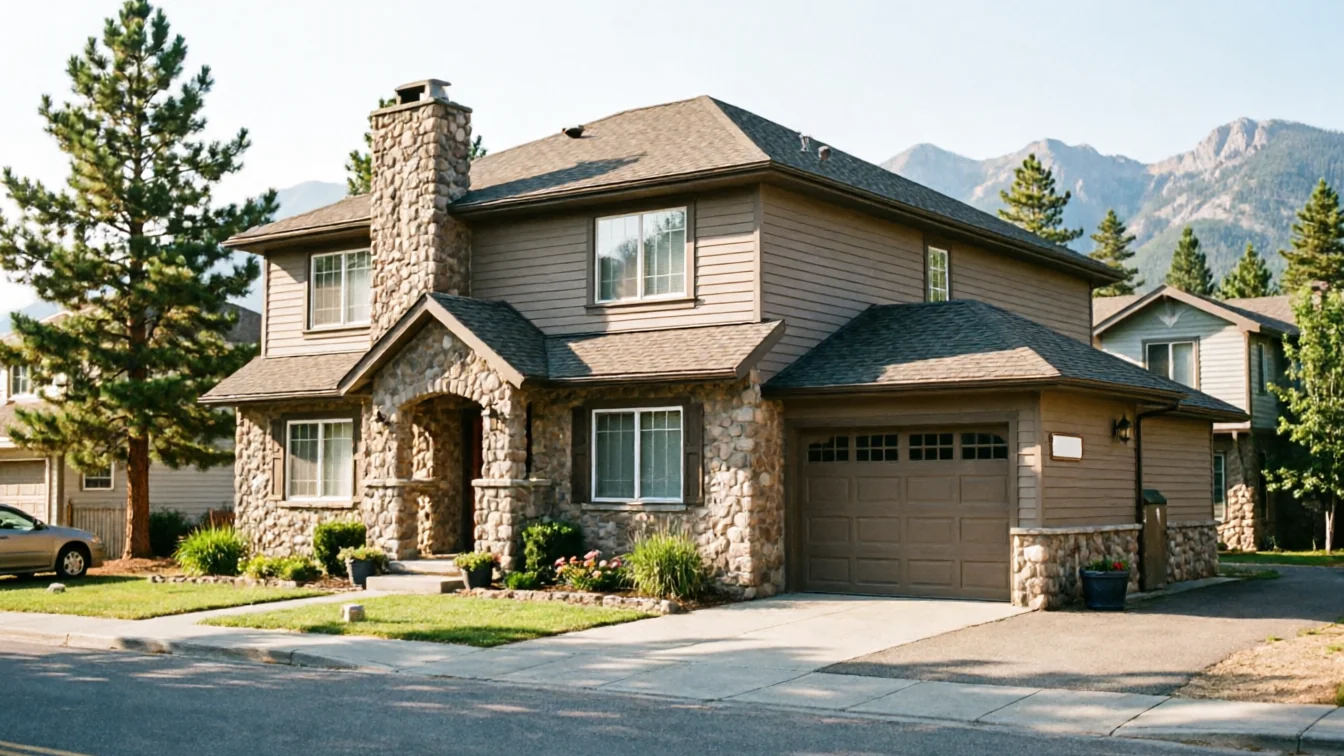
Orchard Homes sits three miles from our shop, and most of its houses date to the mid-1970s. That changes what a new door install here actually needs. See the details.
On the truck
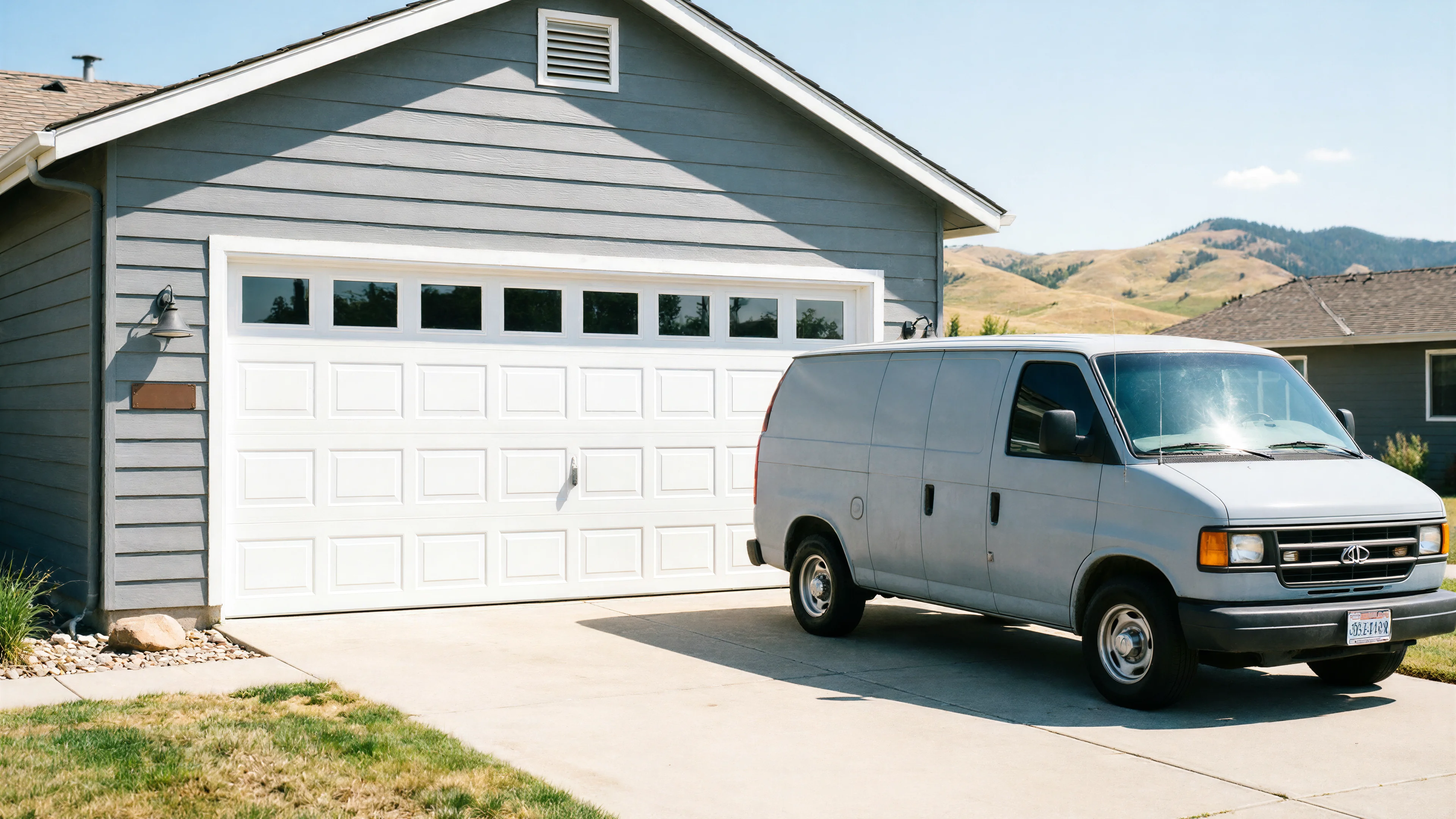
The three-mile drive from our shop to Orchard Homes isn't the issue - it's what's waiting at the end of it. Orchard Homes houses mostly date to 1976, which puts this neighborhood on the older edge of a service area where the broader housing stock runs 1976 to 2013 with a median year of 1991. That ten-to-fifteen year gap matters on install day. A lot of these garages still have the original framing dimensions and header heights from when the house went up, and a stock door off the truck doesn't always drop in clean. We carry steel sectional doors in the widths that fit these openings, along with the heavier-gauge torsion springs that a door built to 1970s rough framing actually needs. We don't stock every custom width - some jambs here need a cut-down or a jamb extension kit, and that's a special order, not a same-visit fix.
Pricing
We're not going to put a number here that isn't backed by a quote - every opening is different once you measure it. What we can tell you is what drives the cost in a neighborhood like this one. Median household income in Orchard Homes runs $68,649, noticeably under the $81,591 median across our wider service area, and we see that reflected in what people ask for: fewer high-end insulated doors with glass inserts, more single-layer or basic double-layer steel in standard widths. That's not a knock on the neighborhood - it's just the honest pattern. If your opening needs non-standard framing work because of the age of the house, that adds to the bill regardless of which door you pick.
The repair
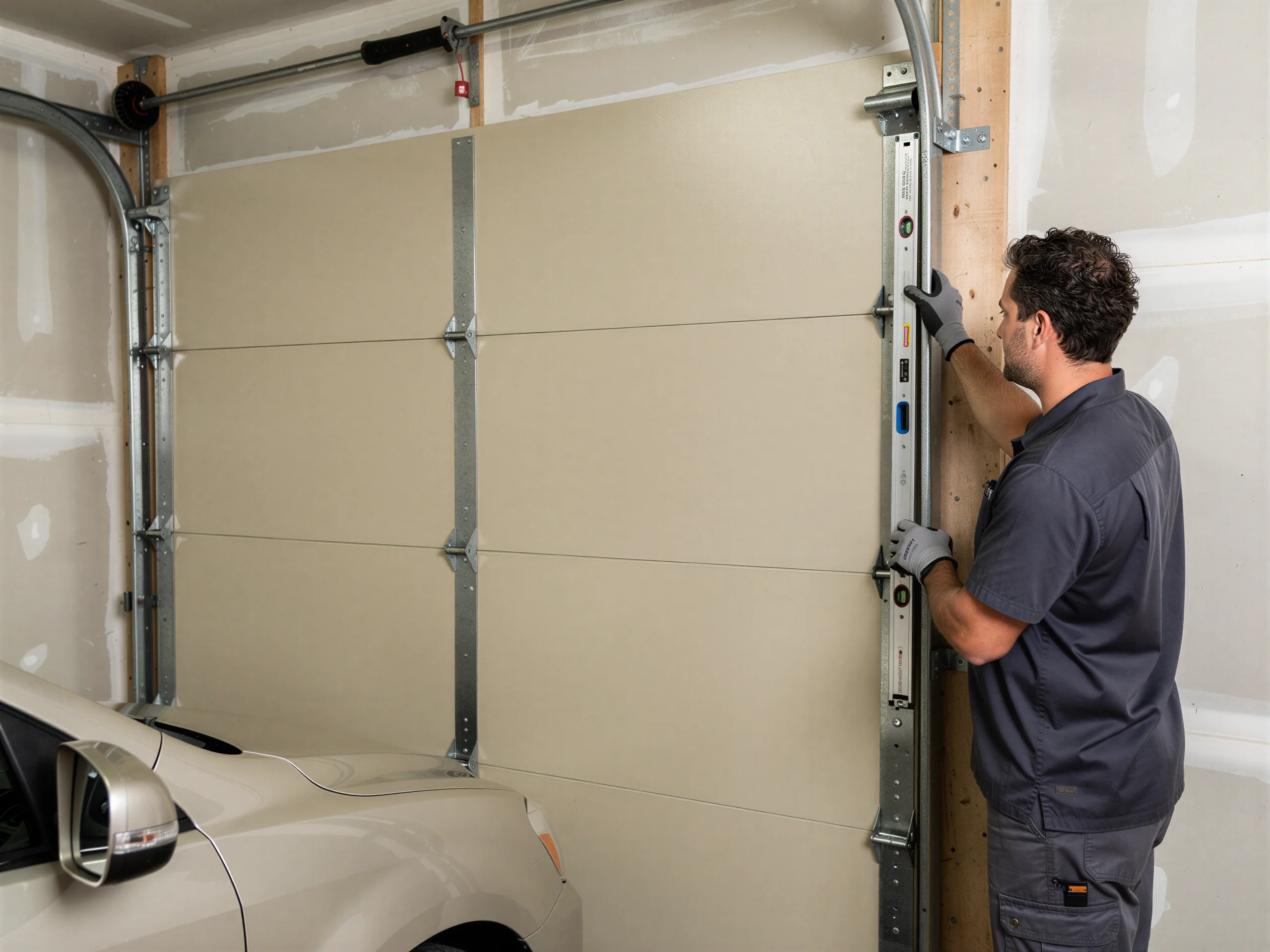
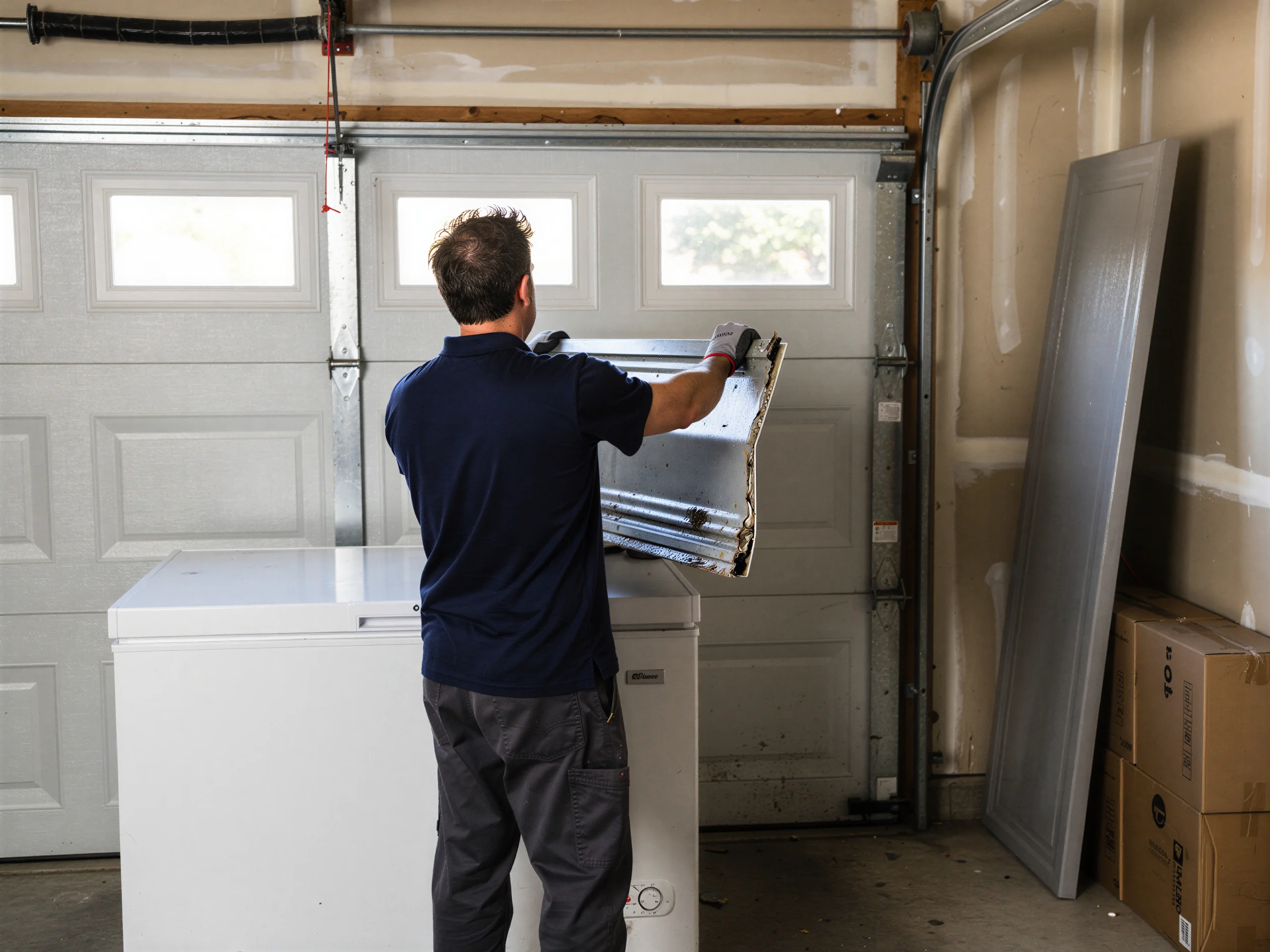
A new install on a 1976-era Orchard Homes garage starts with pulling the old door and track, then checking the jamb and header for square - framing from this period has usually shifted some over fifty years, and shimming it right takes longer than it does on a newer build.
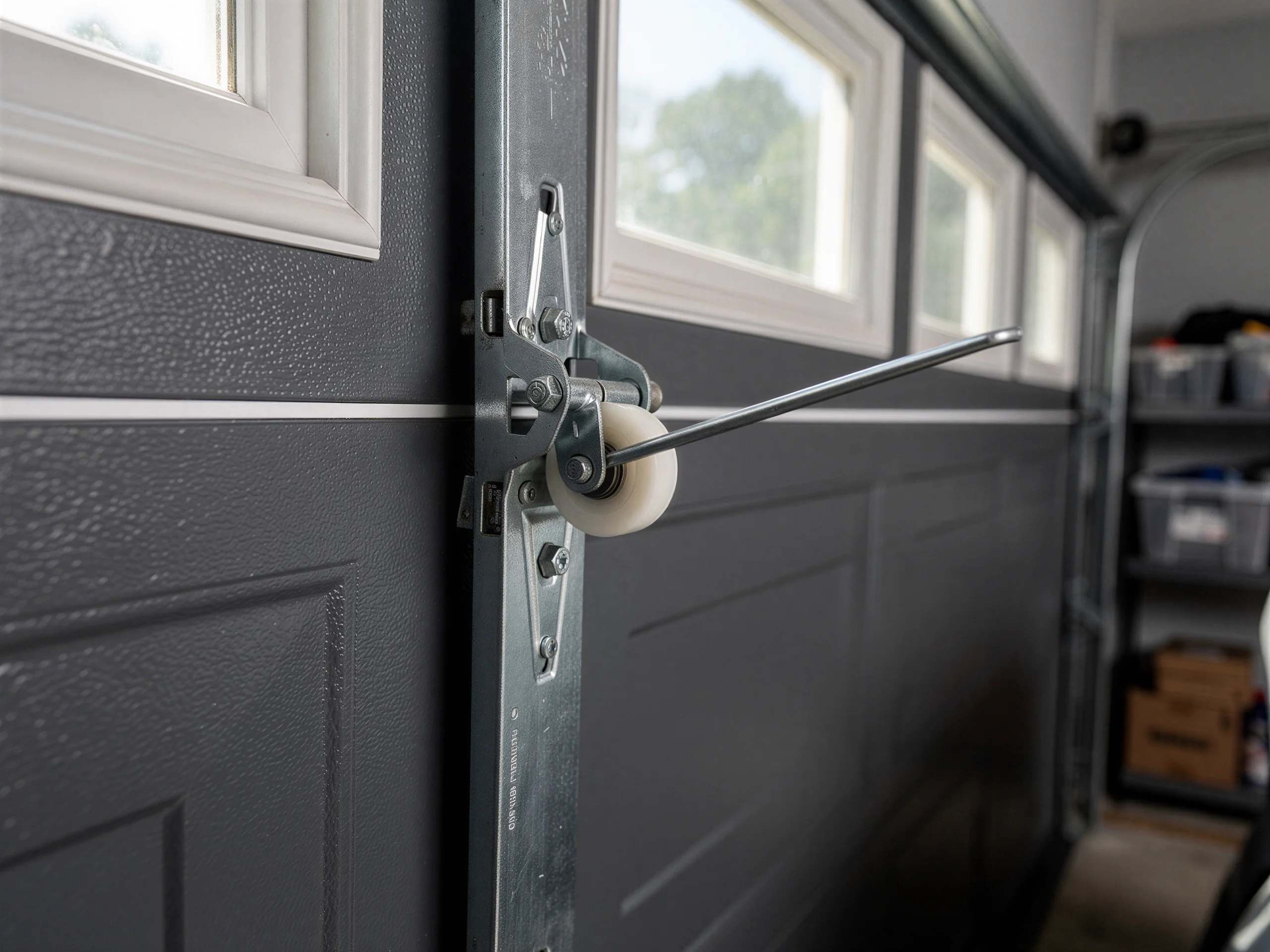
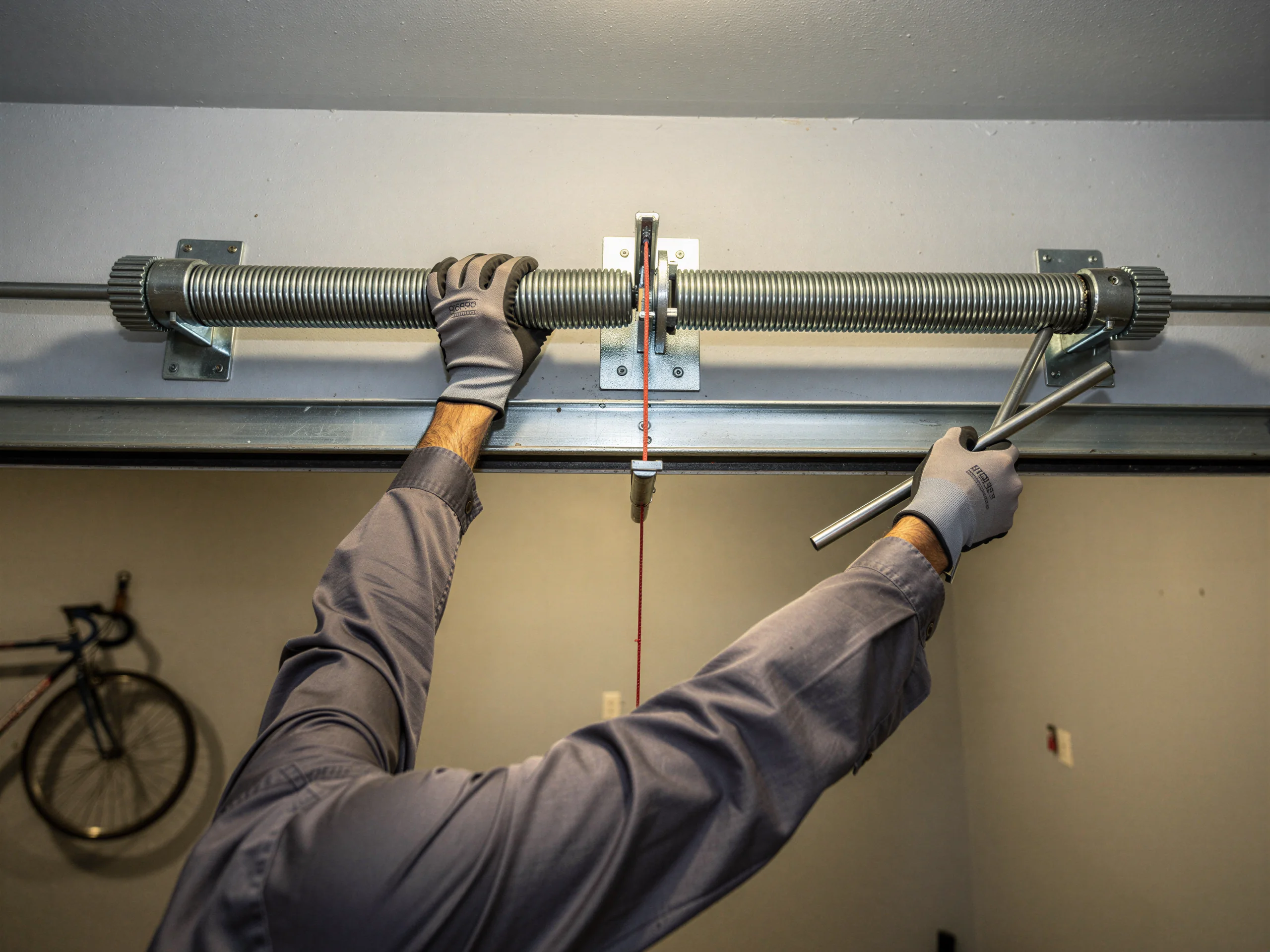
We set new track, mount the torsion spring system rated for the door weight, and run the opener wiring fresh rather than reuse old runs, since wiring from that era rarely meets current standards.
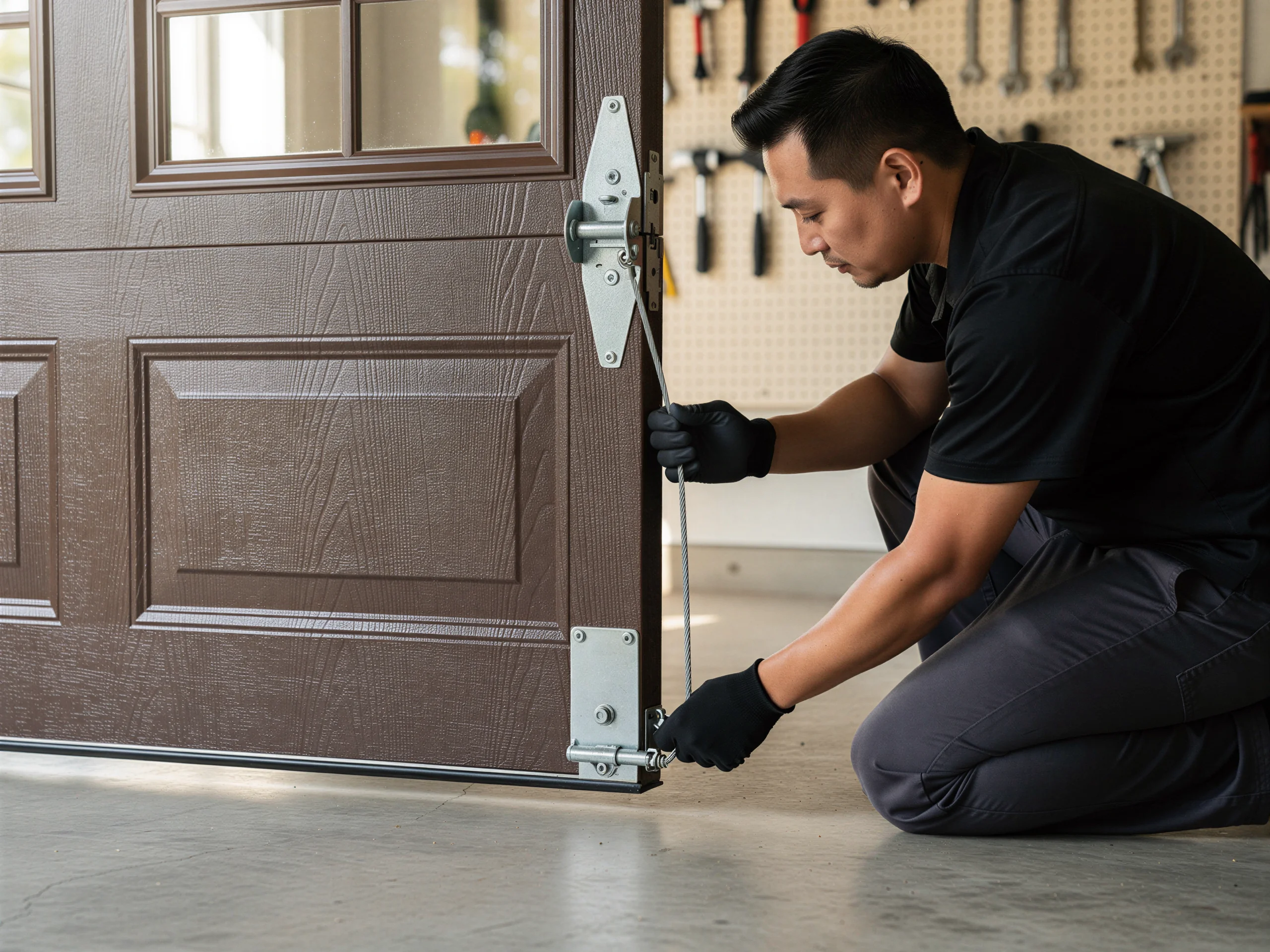
Given the cold-severe climate this whole area sits in, we also check that the bottom seal and weatherstripping actually close against the slab - a gap that wouldn't matter in a mild climate becomes a real heat loss problem here come January.
Watch-outs
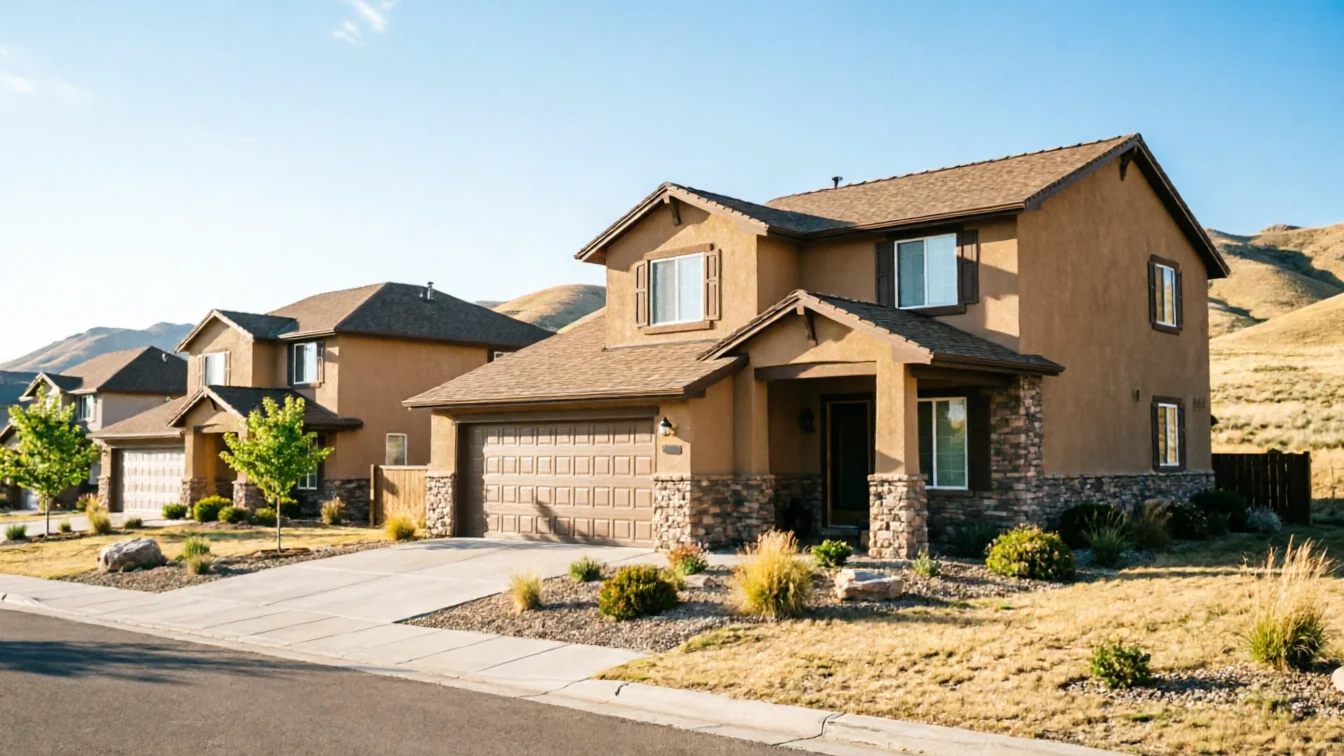
The most common surprise on Orchard Homes jobs is the opening itself. Houses built mid-1970s in this area weren't always framed to the dimensions that modern door sizes assume, so what looks like a standard 16-foot double opening on the tape measure sometimes runs an inch or two off true standard. That means a factory door can hang slightly crooked unless we shim or trim the frame first - extra time, not extra mystery. We also run into original openers tied into house wiring that predates grounded circuits, which needs an electrician's sign-off before we hook up a new unit, not something we can resolve from the truck. None of this is unusual for a neighborhood this age - it's just something we plan for before the crew heads out.
Booking
Orchard Homes is close - about three miles out from our shop - so travel time isn't what drives the schedule here.
What drives it is matching the crew's trip with whatever framing or wiring issues your specific opening turns up, since those get caught at the walkthrough, not guessed at over the phone.
We'll ask for the age of the house, the rough opening width if you have it, and whether the opener still runs, before we set a date. That lets us bring the right spring rate and track hardware on the first trip instead of a second one.
Warning signs
In a neighborhood where the median house dates to 1976, the usual call isn't a broken spring out of nowhere - it's a door that's been getting harder to lift for a year and finally quit, or an opener that grinds before it gives up. With 2,323 households in Orchard Homes and a housing stock running older than the 1991 median across the rest of our coverage area, we see more full-door replacements than spring swaps here, simply because the door itself - not just the hardware - has usually outlived its run. Rust at the bottom panel from fifty winters, warped steel from an old non-insulated model, and openers original to the house are the three things we see most.
Questions
It's about three miles, so travel time itself isn't the scheduling factor - matching the crew and the right parts to your opening is. We ask for details on your house's age and door size up front so we bring the correct hardware on the first visit.
Often, but not always. Houses here mostly date to 1976, and rough openings from that era weren't always framed to today's standard door widths. We measure before ordering - some openings need a shimmed jamb or a cut-down door, which we'll flag before any work starts.
Yes, we carry insulated steel options, and given the cold-severe climate this whole area sits in, we recommend checking that the bottom seal actually closes against your slab regardless of which door you choose - that's often the bigger heat-loss gap.
Age of the door itself, not just a broken part. With most houses here dating to the mid-1970s, a lot of the original doors have rusted bottom panels or warped steel from decades without insulation, which makes replacement the more sensible call over another repair.
Explore more
Ready when you are
Missoula Garage Door Pros repairs and installs garage doors, springs and openers in Missoula, MT and the surrounding area.