
Original steel rollers
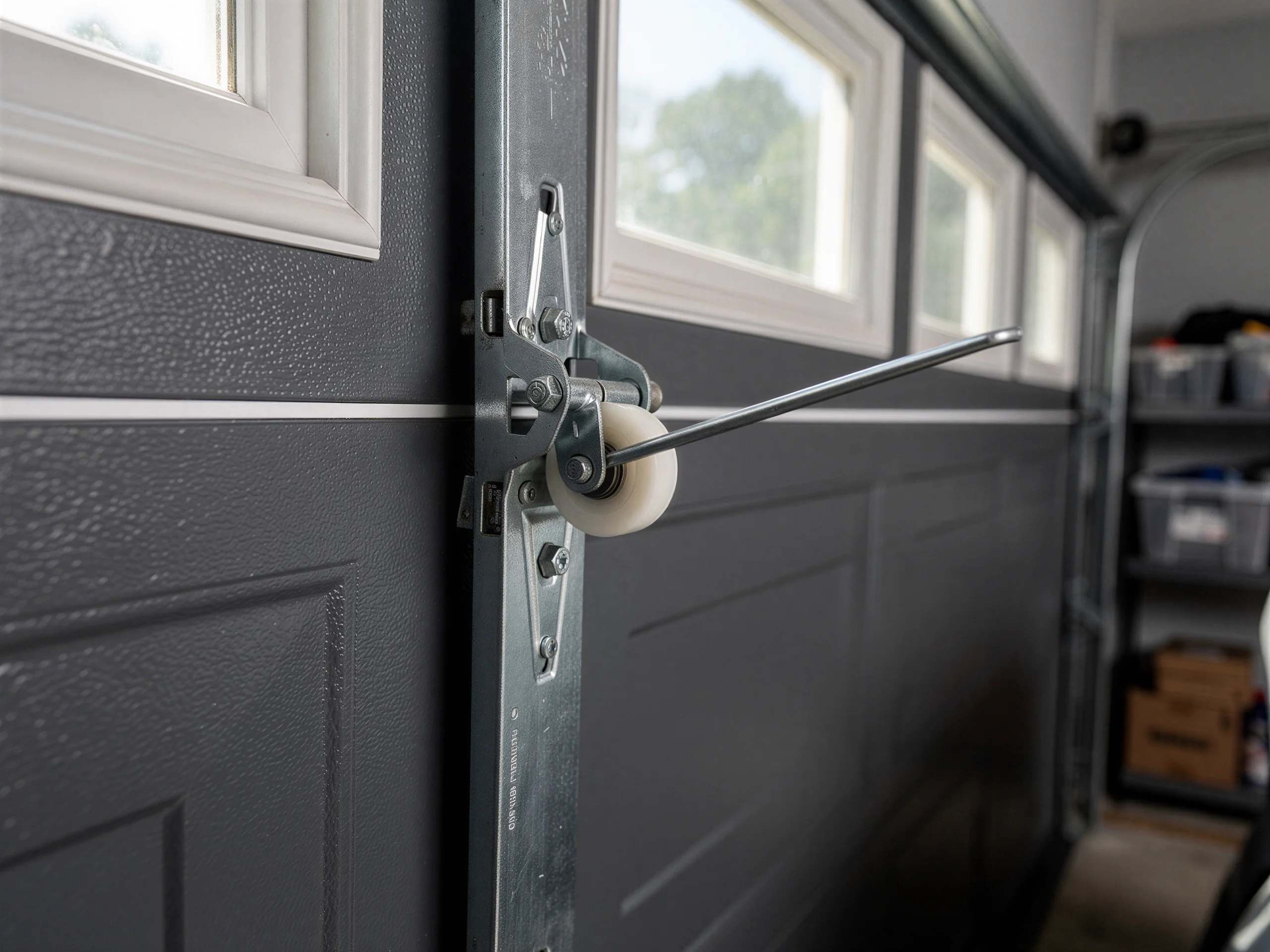
That matters for rollers, because houses from that era were almost always built with 7-ball steel rollers riding directly in galvanized steel track, no nylon, no sealed bearing.
 Missoula, MT
Orchard Homes, Missoula
Orchard Homes homes built around 1976 often still run steel rollers on original track. We replace them from our Missoula shop, 3 miles out.
On the truck
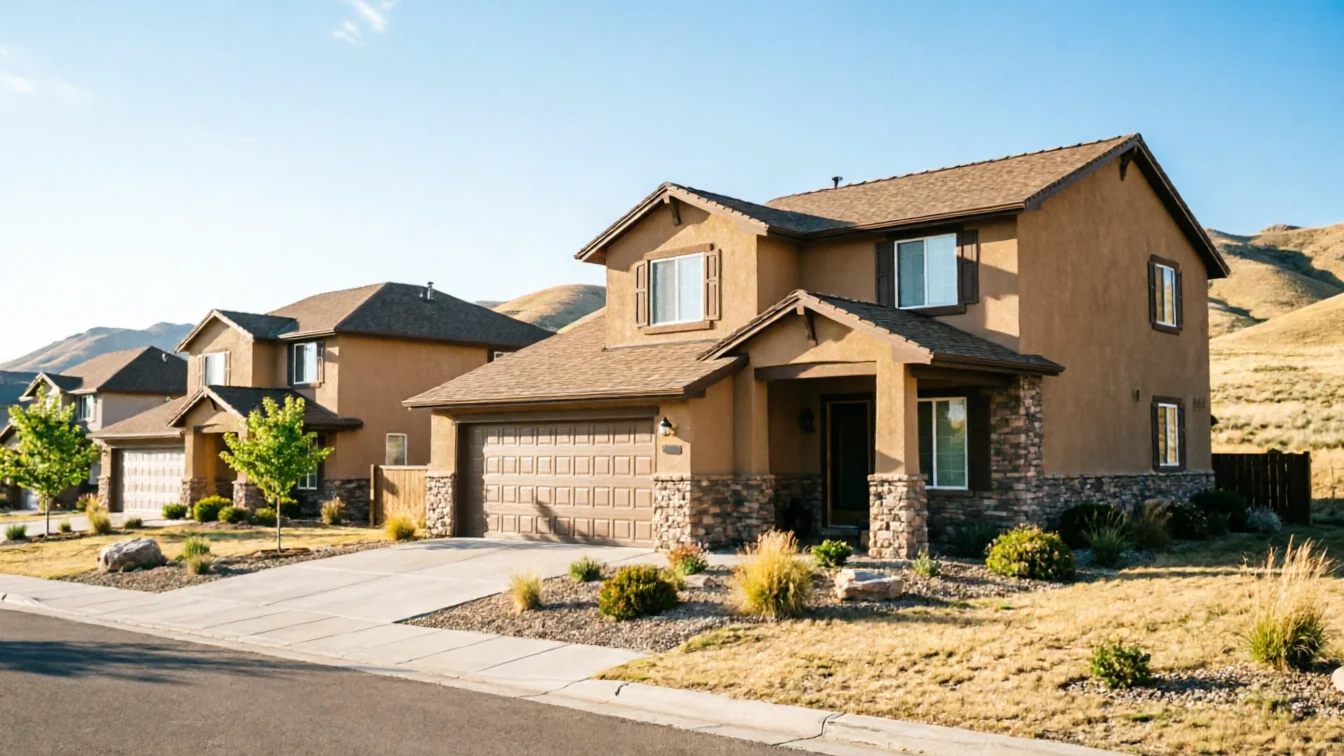
Orchard Homes sits at the older edge of the wider Missoula build pattern - the service area overall runs 1976 to 2013 with a median around 1991, but this particular pocket centers closer to 1976 itself.
That matters for rollers, because houses from that era were almost always built with 7-ball steel rollers riding directly in galvanized steel track, no nylon, no sealed bearing.
We carry both: steel rollers for owners who want to match what's already there and keep cost down, and nylon rollers with sealed bearings for anyone ready to quiet the door down and stop replacing the same part every few winters.
We stock common stem lengths and both 2-inch and 2-3/8 inch wheel diameters, since mid-70s track doesn't always match what's sold off the shelf today. If your track is bent or pitted rather than just worn rollers, we'll say so before we quote a roller job that won't actually fix the noise.
Pricing
We don't have a posted price list for roller work here, and giving you a number without seeing the door and track condition would be a guess, not a quote. What drives the cost in a neighborhood like this is usually track condition, not the rollers themselves - steel track from the 1970s that's rusted or bent from decades of cold-weather expansion and contraction adds labor the rollers alone don't. A straight swap on clean track is a different job than one where we're also truing or replacing a track section. We'll give you a firm number after a look, not before.
The repair
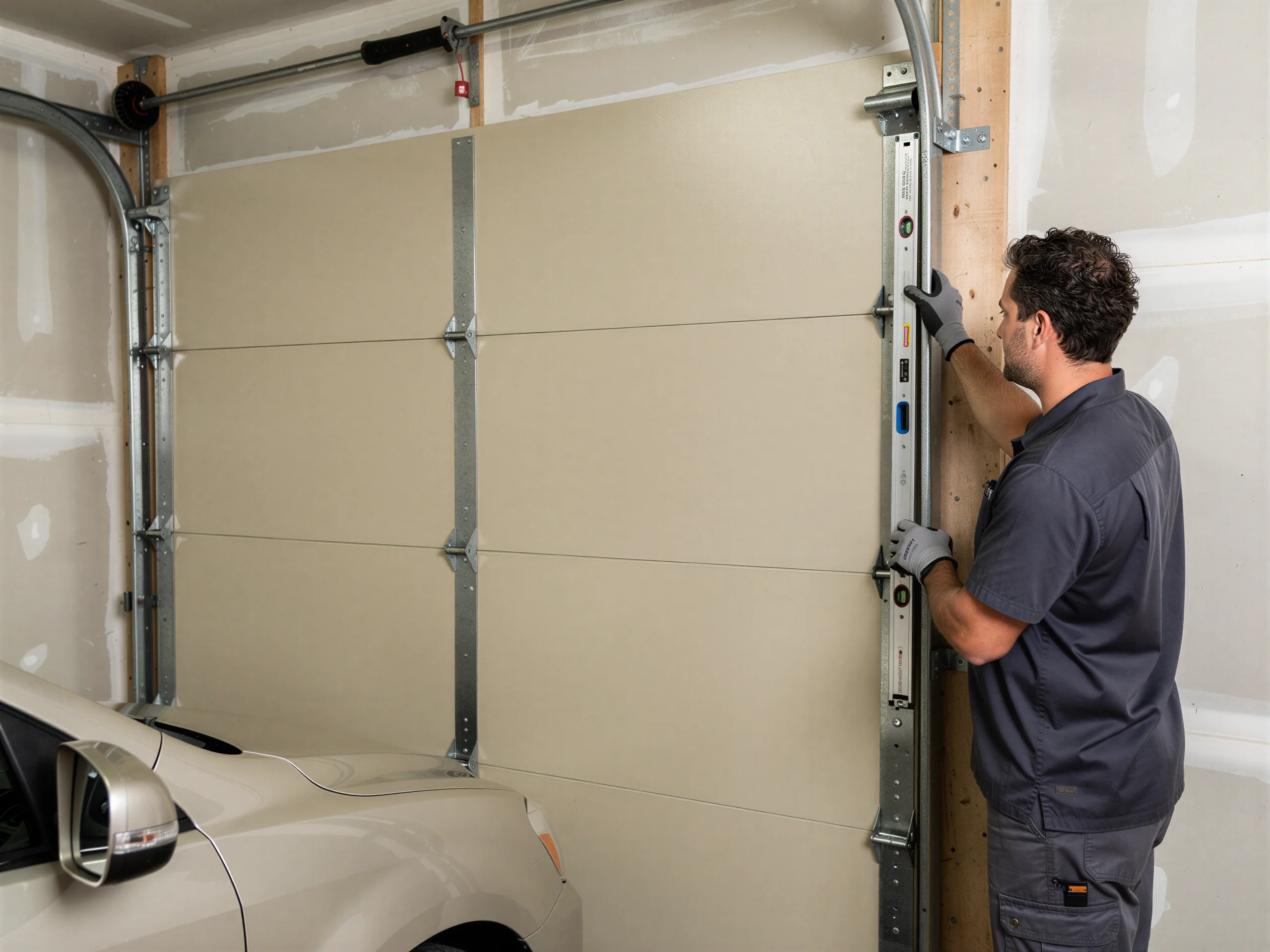
On a 1970s-era door the rollers almost never fail alone - they wear out because the track they ride in has spent close to five decades expanding and contracting through Missoula-area winters, and steel-on-steel wear accelerates once the galvanizing is worn through.
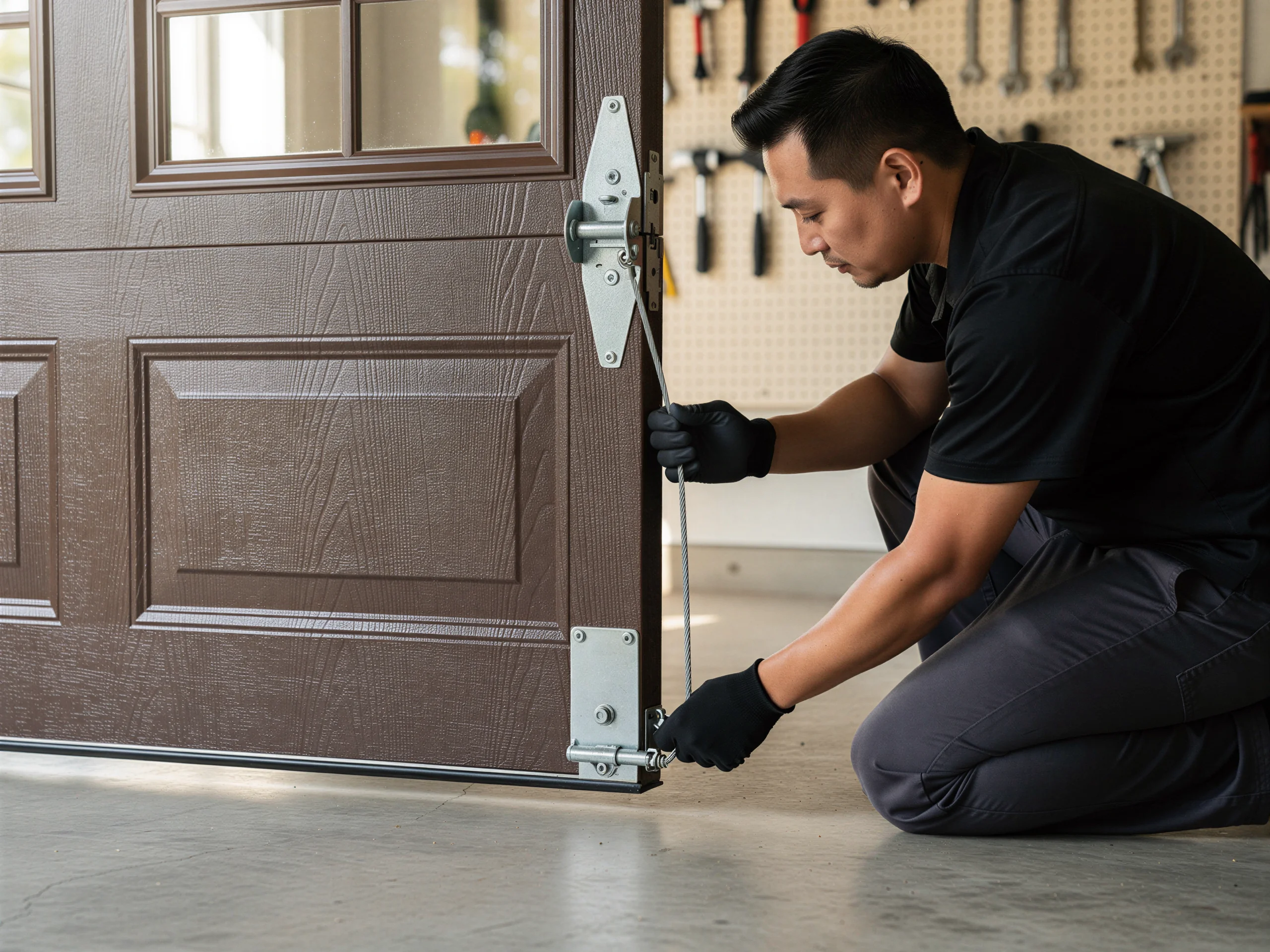
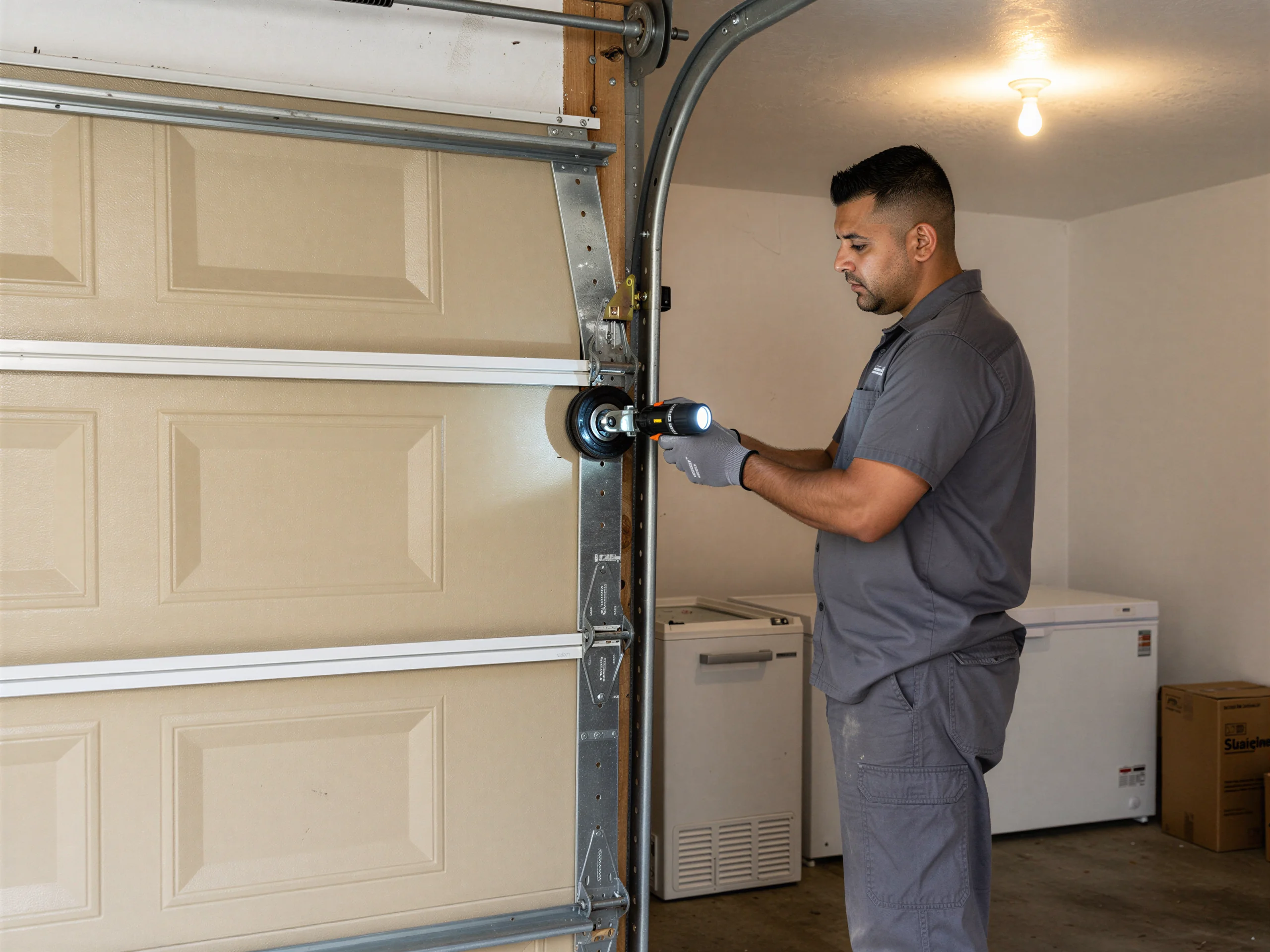
We pull the old rollers one at a time, working opposite sides to keep the door balanced on the cable, and check each roller's stem for bend before it comes out, since a bent stem usually means something upstream - hinge, bracket, or track - is also off.
New rollers go in with the stem seated fully in the bracket, and we run the door through a full open-close cycle before we check the track again.
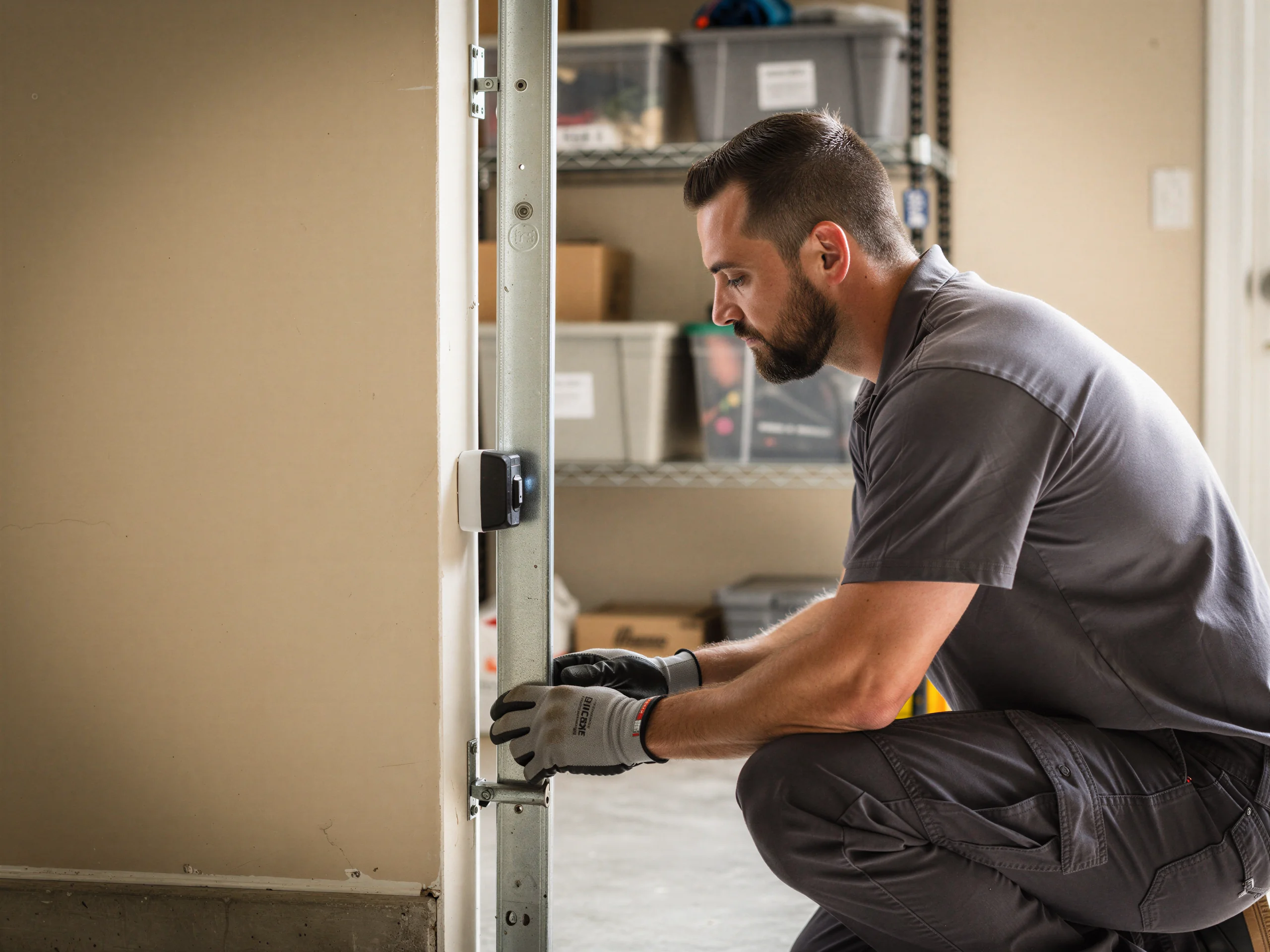
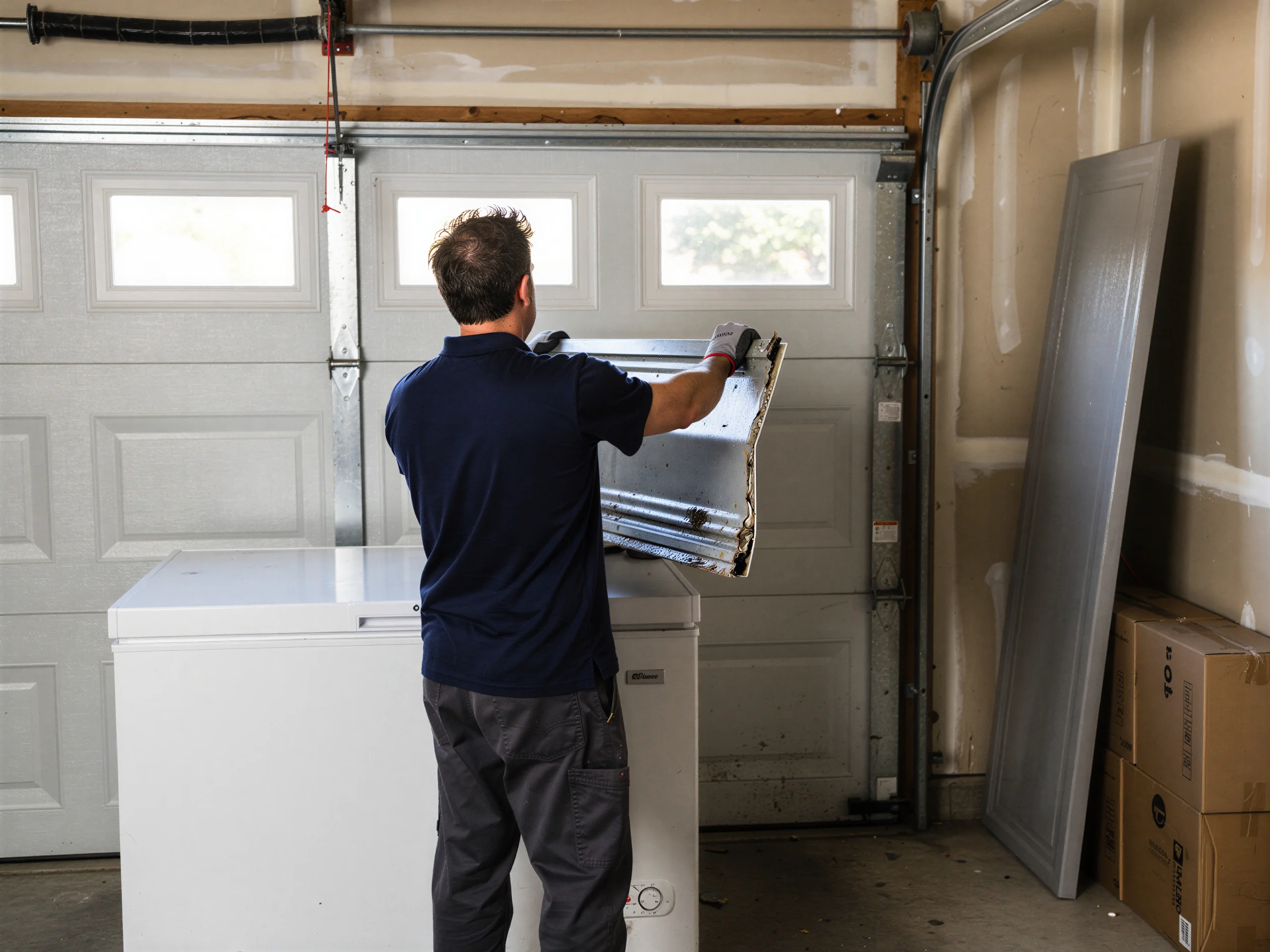
If the track shows pitting deep enough to catch a roller edge, we'll flag a track section for replacement rather than send you back out with rollers that will wear again in a season or two.
Watch-outs
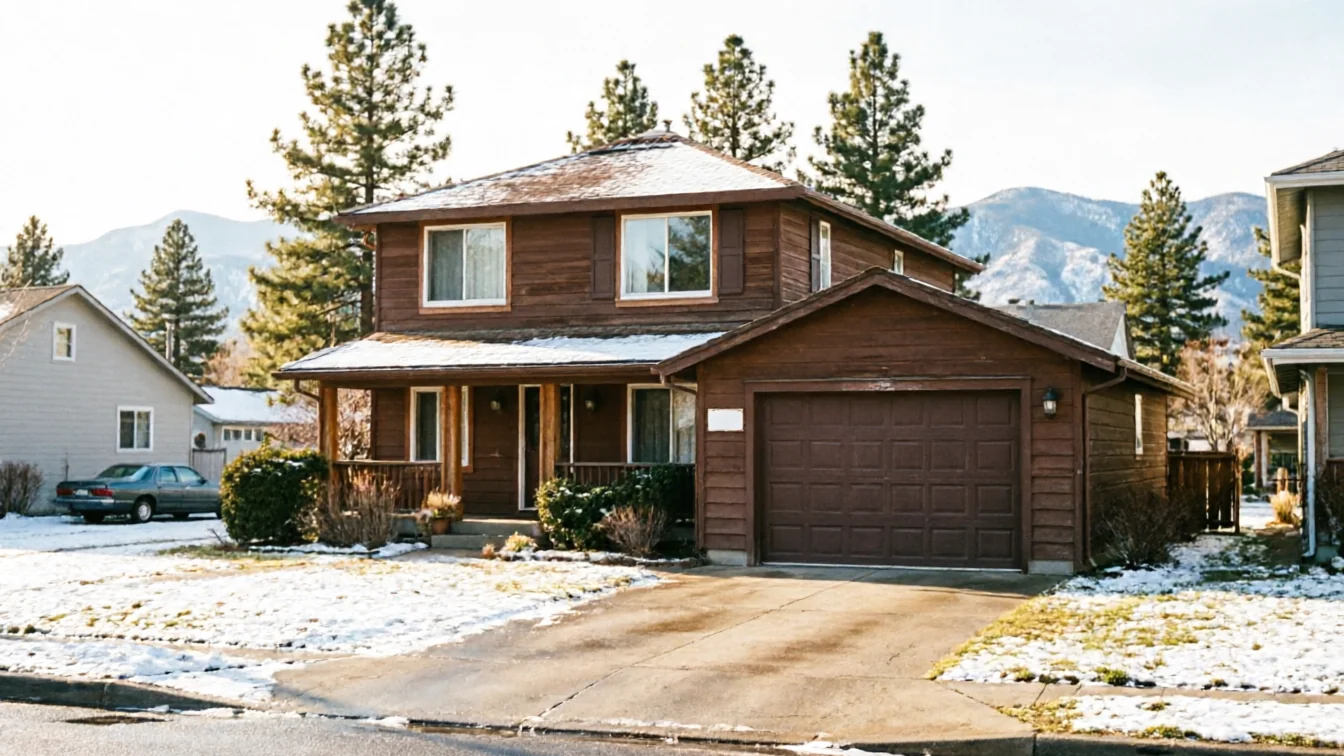
Cold is the complication in this part of the service area. F3 marks the climate here as severe cold-band, and steel rollers in unheated garages go brittle and seize at the bearing faster than the same part would in a milder climate - you'll hear it as a grinding or a hard catch on the first cold mornings of the season before it turns into full failure. Nylon rollers handle that cycle better, which is part of why we bring both options rather than defaulting to one. The other complication is simply age: a door built in 1976 may have brackets and hinges original to the house, and matching new roller stems to decades-old bracket spacing sometimes takes more fitting than a newer door would need.
Booking
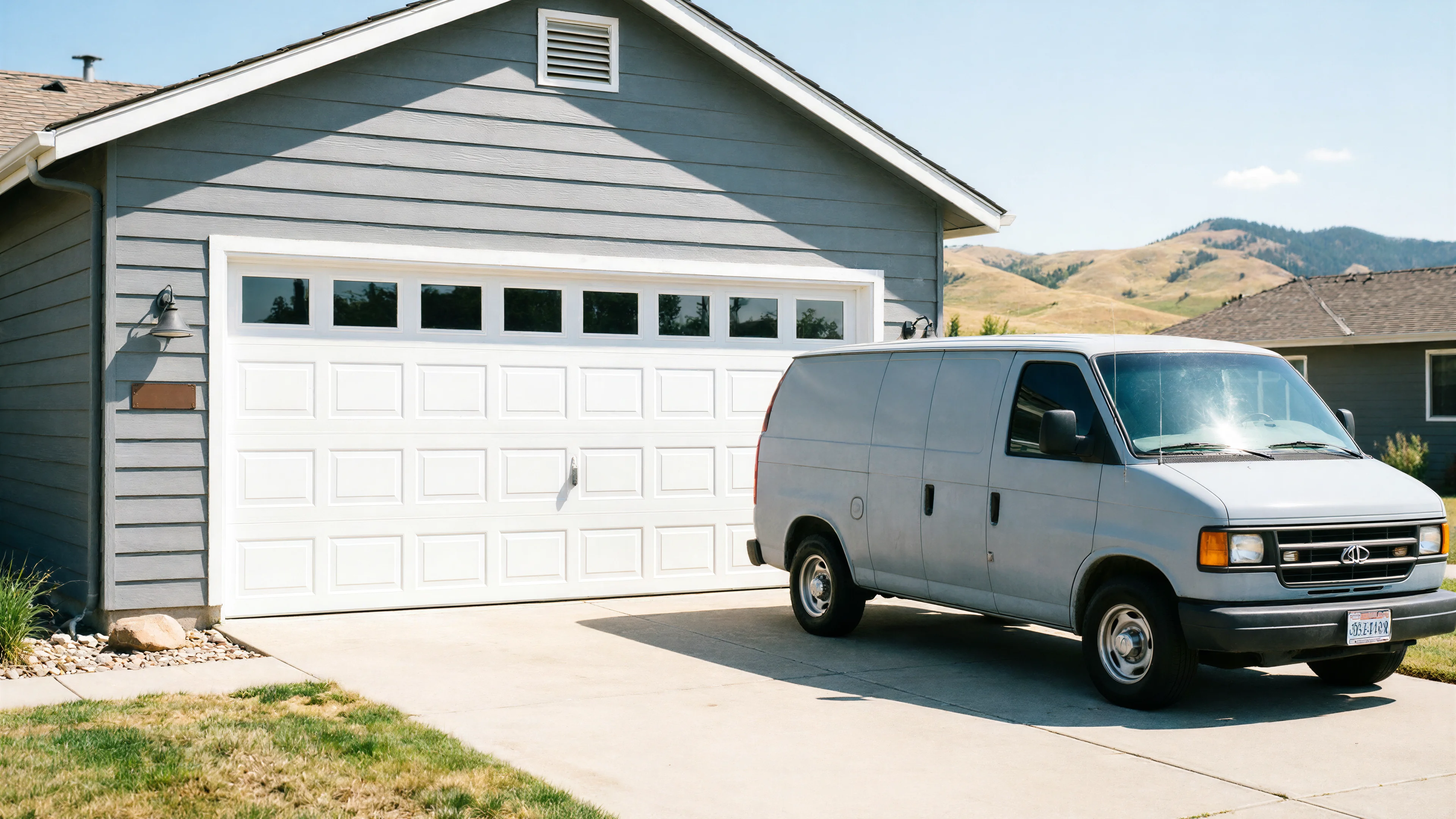
We run this job out of Missoula, and Orchard Homes is about 3 miles out, which keeps the trip short and the scheduling simple.
There's no local branch here - the truck comes from Missoula same as it does for every stop on this side of the valley - so booking is the same process as anywhere else we cover.
Tell us the roller noise or binding you're hearing and roughly how old the door is, and we'll bring the roller stock that fits a door from that era rather than guessing on site.
Warning signs
The first sign is usually a rhythmic squeak or grind as the door travels, one thump per roller per foot of travel, getting louder as the bearing wears down. Next comes a hard catch point - often near the curve where vertical track bends into horizontal - where a flat-spotted or seized roller drags instead of rolling. Left alone, that drag transfers load to the opener, and we've seen openers burn out trying to push a door past a roller that's stopped turning. If your door is groaning more than it did last winter, or catching at the same spot every time, that's roller wear, not opener failure, in most houses this age.
Questions
If your house was built around the mid-1970s, which matches the typical build year for this part of the service area, there's a good chance the rollers and track are original steel. Steel rollers from that era usually last decades but wear out faster once the galvanized coating is gone, especially after repeated cold winters.
Steel costs less and matches what's likely already on an older door, but nylon with sealed bearings runs quieter and holds up better through cold-weather cycling. We'll tell you which makes sense once we've seen your track condition, since worn track can undercut either choice.
No. We run this job from Missoula, about 3 miles away, and that's the same setup for every stop we cover in this part of the valley. There's no separate branch or depot here.
Often yes, if the track is straight and not pitted through the galvanizing. If the track is rusted or bent, which turns up more often on original 1970s steel track, rollers alone won't stop the noise and we'll tell you before we quote the job.
Explore more
Ready when you are
Missoula Garage Door Pros repairs and installs garage doors, springs and openers in Missoula, MT and the surrounding area.