
Grooved drum replacement
If a drum has a groove worn into it from the old cable, we replace the drum too rather than put fresh cable on damaged metal - that's a corner we won't cut, because it just fails again in a year or two.
 Missoula, MT
Frenchtown, Missoula
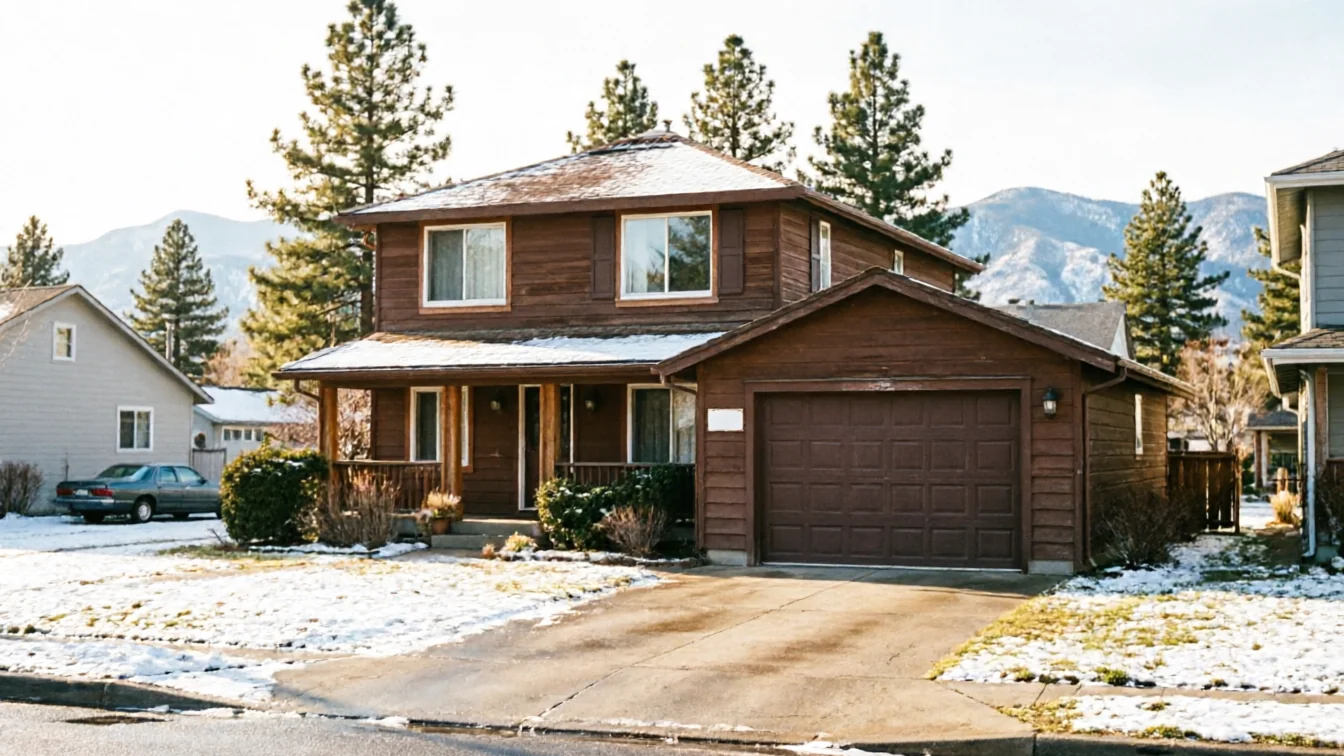
Frenchtown homes mostly went up around 1993, later than much of the Missoula service area. That changes what kind of cable failure you're likely to have and how we fix it.
Booking
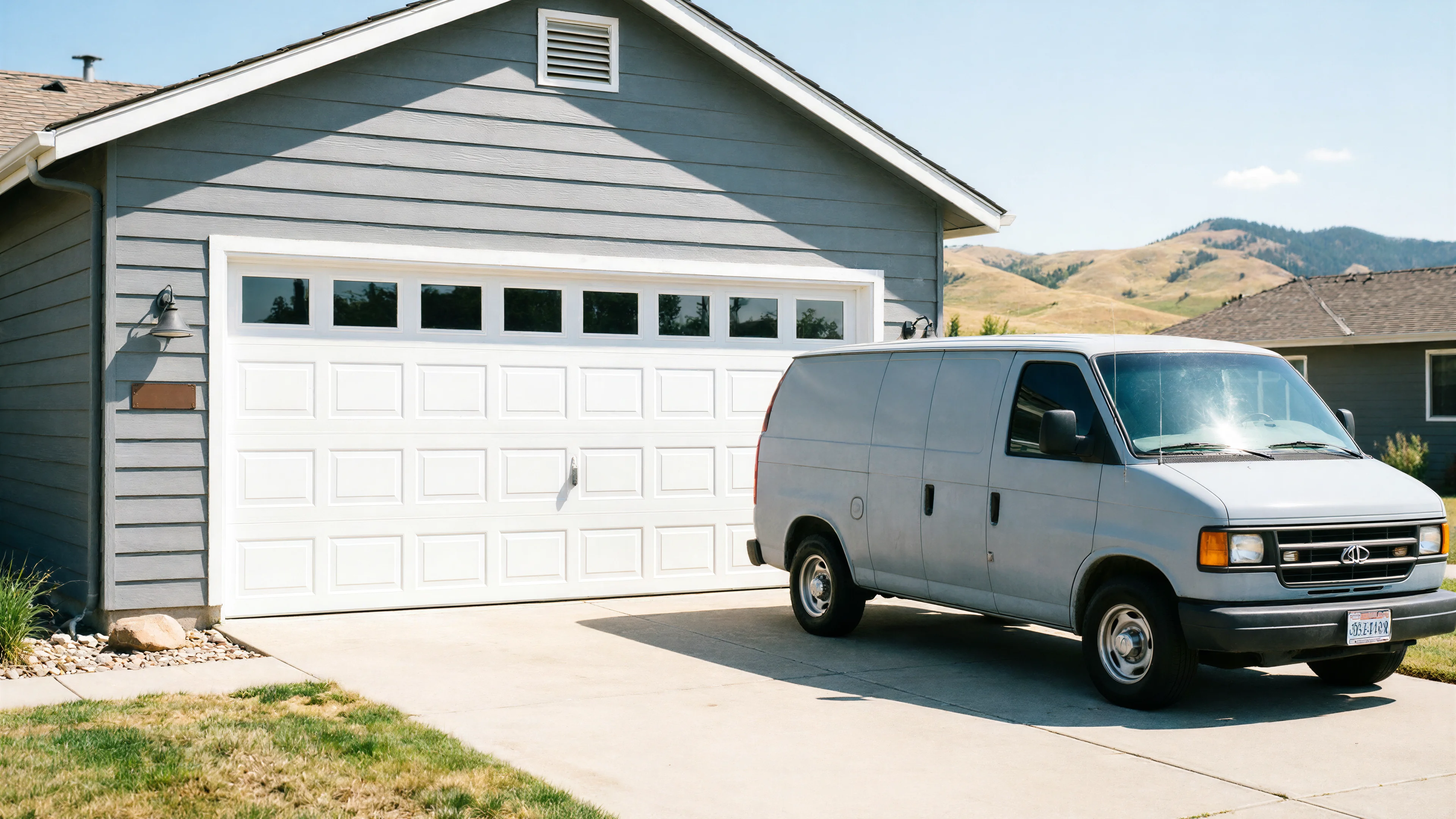
We run out of Missoula, about 15 miles east, so a cable call in Frenchtown isn't a same-building dispatch - it's a drive we plan into the route.
That doesn't mean a long wait, but it does mean calling as soon as you notice fraying or a door that's sitting crooked, rather than after the cable lets go and the door drops.
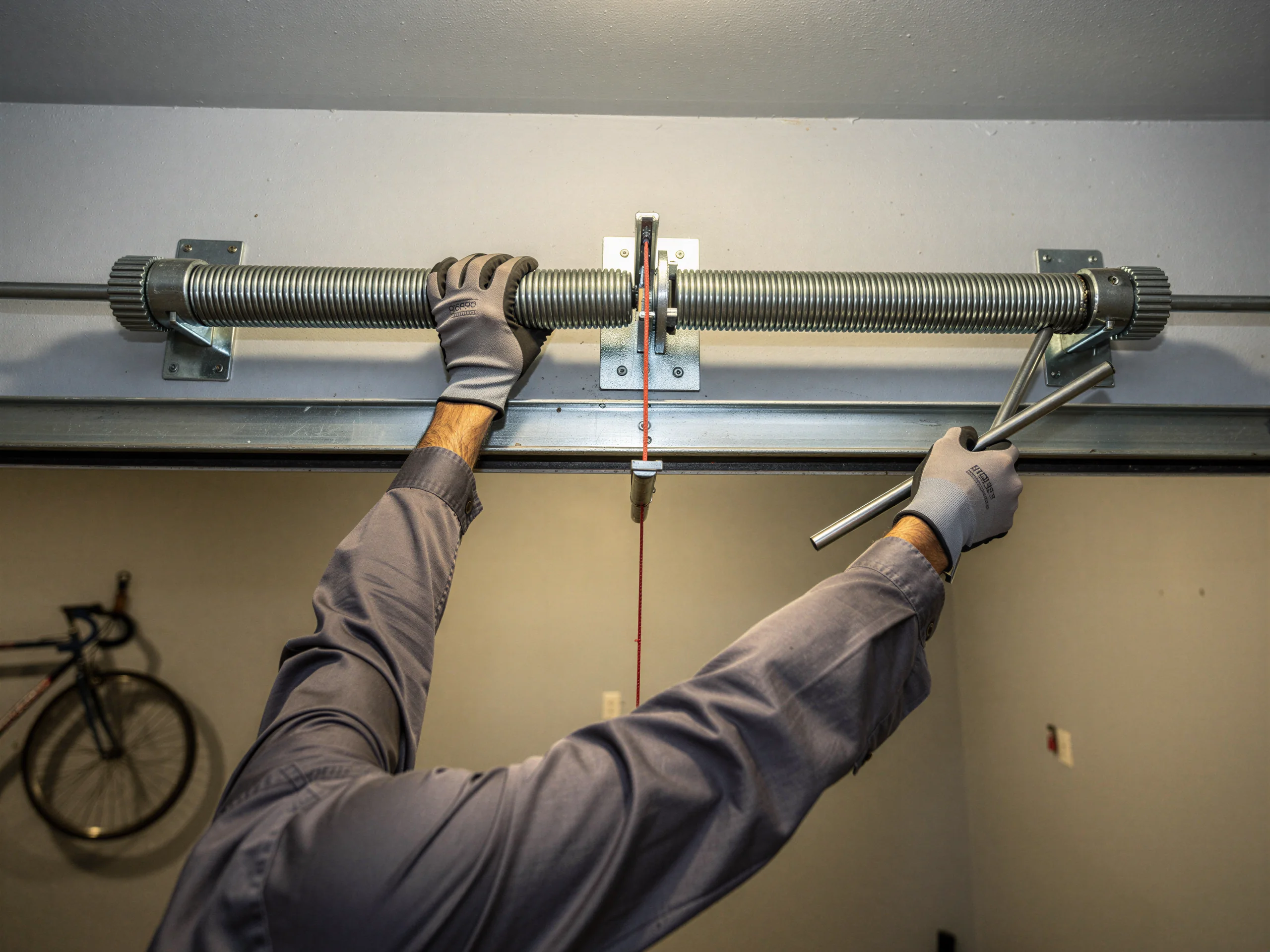
Tell us the door's age if you know it and whether it's one spring or two visible on the torsion bar above the opening, or extension springs along the tracks.
Most Frenchtown houses were built close to 1993, which puts the hardware squarely in the torsion-spring era rather than the older extension-and-pulley setups you'll find in older parts of the valley. That one detail changes which cable, drum, and end-fitting we bring on the truck, so it saves a second trip if you can tell us up front.
Local causes
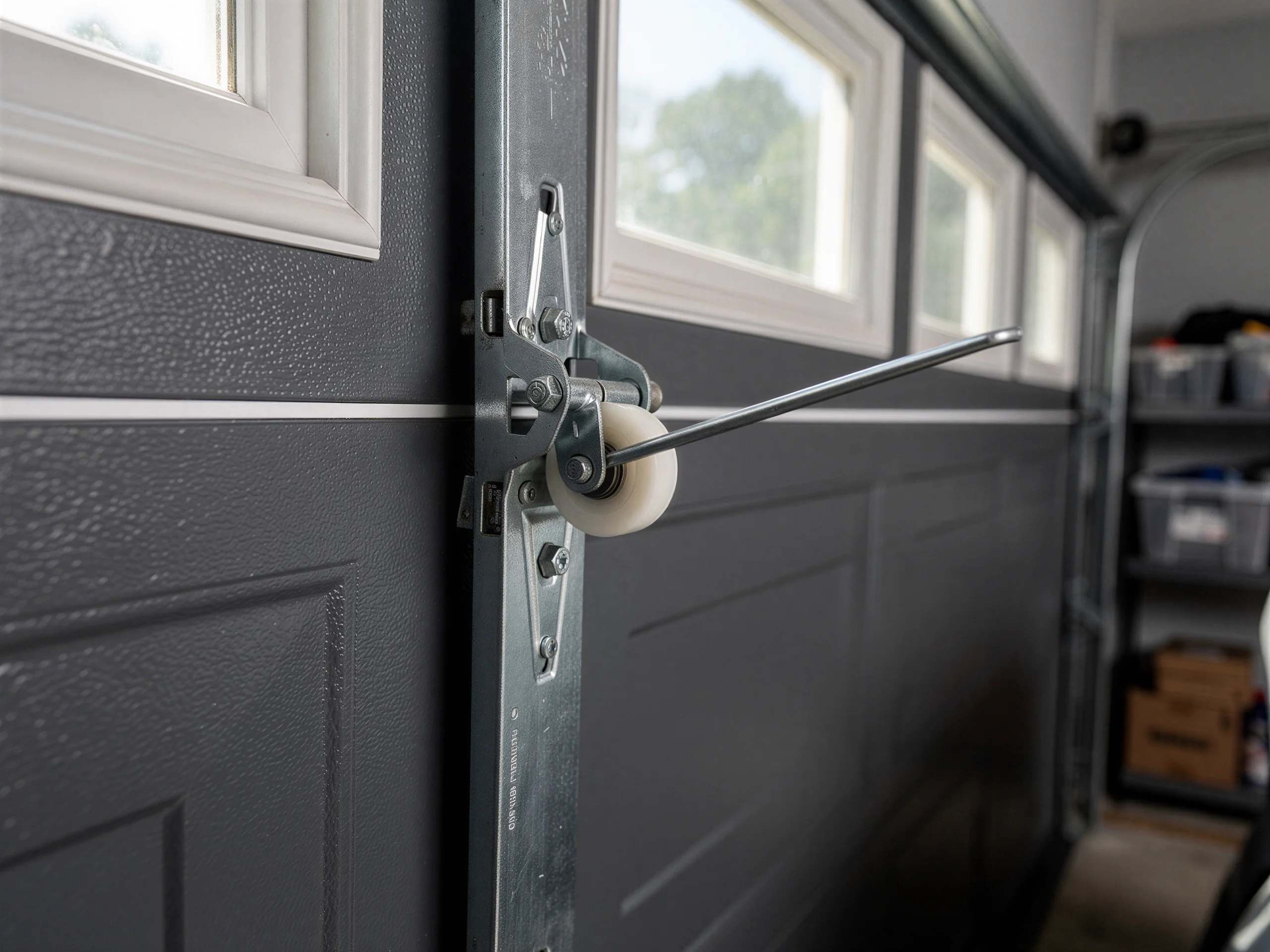
A house built around 1993 usually got a torsion-spring system with galvanized aircraft cable wound onto a stamped steel drum at each end of the shaft. That hardware is solid, but thirty-plus years of Missoula-area winters - the service area sits in a cold, severe climate band - means the cable has gone through a lot of freeze-thaw cycling on the drum and the bottom bracket. The cable itself doesn't usually snap outright; it frays where it wraps the drum, or the bottom fitting rusts and pulls loose. Doors in this build era also tend to still have their original drums, which wear a groove over time and start chewing into new cable the same way the old one failed. That's the pattern we see most in houses from this stretch of construction.
Warning signs
A fraying cable on a 1990s torsion setup rarely fails without warning. You'll usually see one corner of the door sitting lower than the other, or hear a faint popping or scraping sound near the top corners as the door travels - that's strands catching on the drum groove before they let go. Sometimes the door will reverse itself partway up, which is the opener sensing resistance from a cable that's bound up instead of winding cleanly. If a cable has already snapped, the door will be noticeably crooked, one side hanging lower, and the panel may be resting unevenly in the tracks. Don't run the opener at that point - a seized or partly-wound cable under spring tension can whip or let the door drop further and damage the track or panel.
The repair
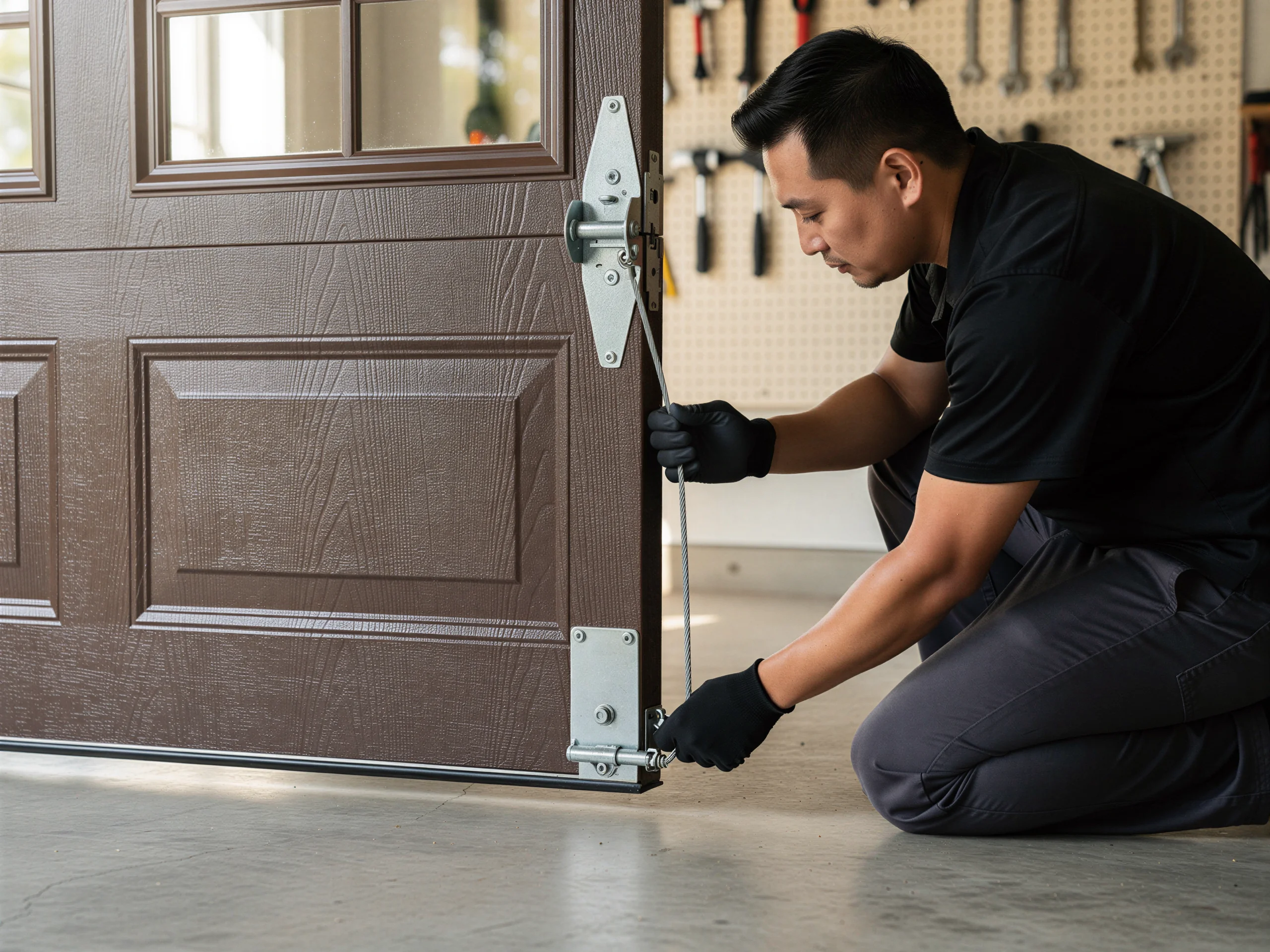
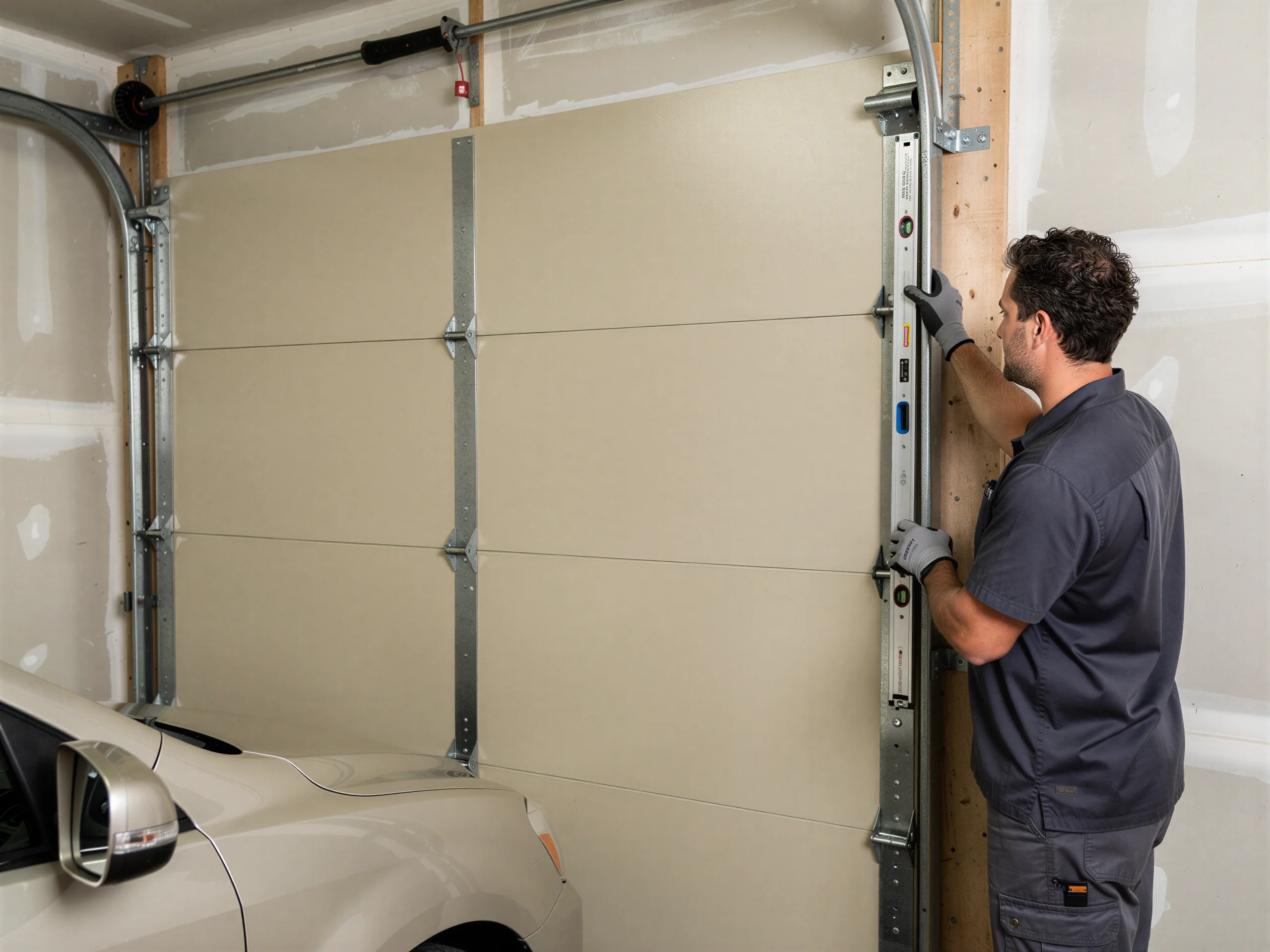
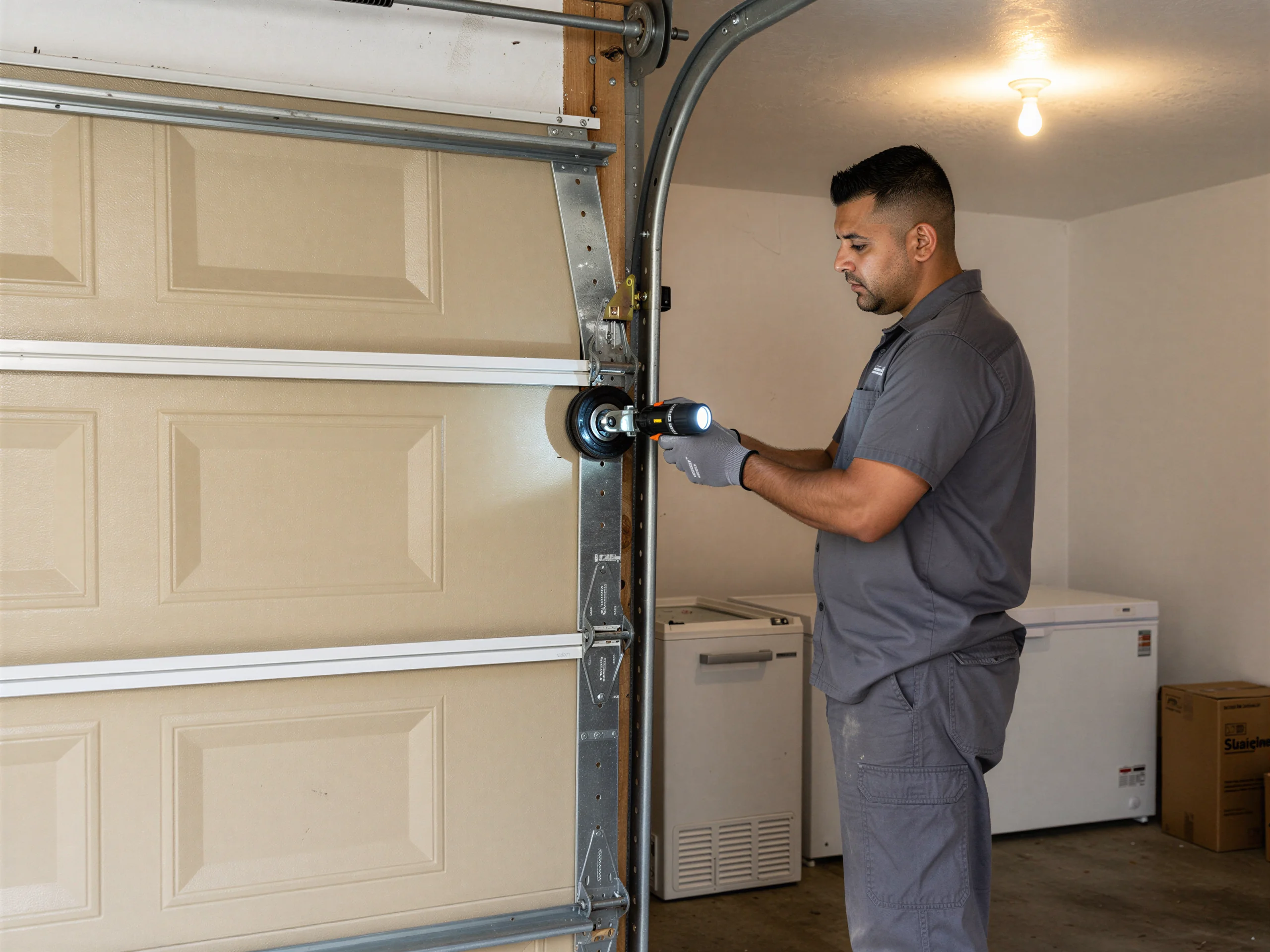
On a torsion system from this era, the job is releasing tension on both springs safely, pulling the old cables off the drums, and checking the drums themselves for wear before winding on new cable.
If a drum has a groove worn into it from the old cable, we replace the drum too rather than put fresh cable on damaged metal - that's a corner we won't cut, because it just fails again in a year or two.
We also check the bottom brackets and rollers on the same side, since whatever stressed the cable usually left marks nearby. One honest limit: if the drums, bearing plate, and springs are all original and worn together, replacing just the cable is a short-term patch, and we'll say so rather than charge you twice.
Job timing

Most cable replacements on a standard double or single torsion door take under two hours once we're on site, including checking the drums and rollers while the tension is already off. If a drum needs replacing alongside the cable, or the bottom bracket is bent from a door that dropped unevenly, plan on more time, since that means pulling the roller and realigning the track section before we re-tension the springs. We test the door through a full open-close cycle before we leave, both with the opener and by hand, to make sure the drums are winding evenly and the door isn't pulling to one side. We don't leave a torsion job without that balance check - a door that closes level today but drags in six months usually traces back to someone skipping it.
Questions
No. The cable is under spring tension the whole time the door is closed, and handling it without releasing that tension first can cause it to whip or let the door drop suddenly. It's not a weekend-fix item - leave the spring and cable work to someone who releases tension safely first.
Usually it's the drum, not the cable. A worn groove in the stamped drum chews into each new cable the same way it wore out the last one. If your house is original from the early-90s build wave, the drums have had thirty years of freeze-thaw cycling and are worth checking alongside any cable replacement.
About 15 miles. We don't keep a branch or depot in Frenchtown - we run calls there from Missoula, so it helps to describe the door and the symptom clearly when you call so we bring the right drum and cable size on the first trip.
Yes, and it's common. The two sides of a torsion door don't always wear evenly, especially if the door's been slightly out of balance for a while. We check both sides and both drums even when only one cable has visibly frayed or snapped.
Explore more
Ready when you are
Missoula Garage Door Pros repairs and installs garage doors, springs and openers in Missoula, MT and the surrounding area.