
Foam pulling away
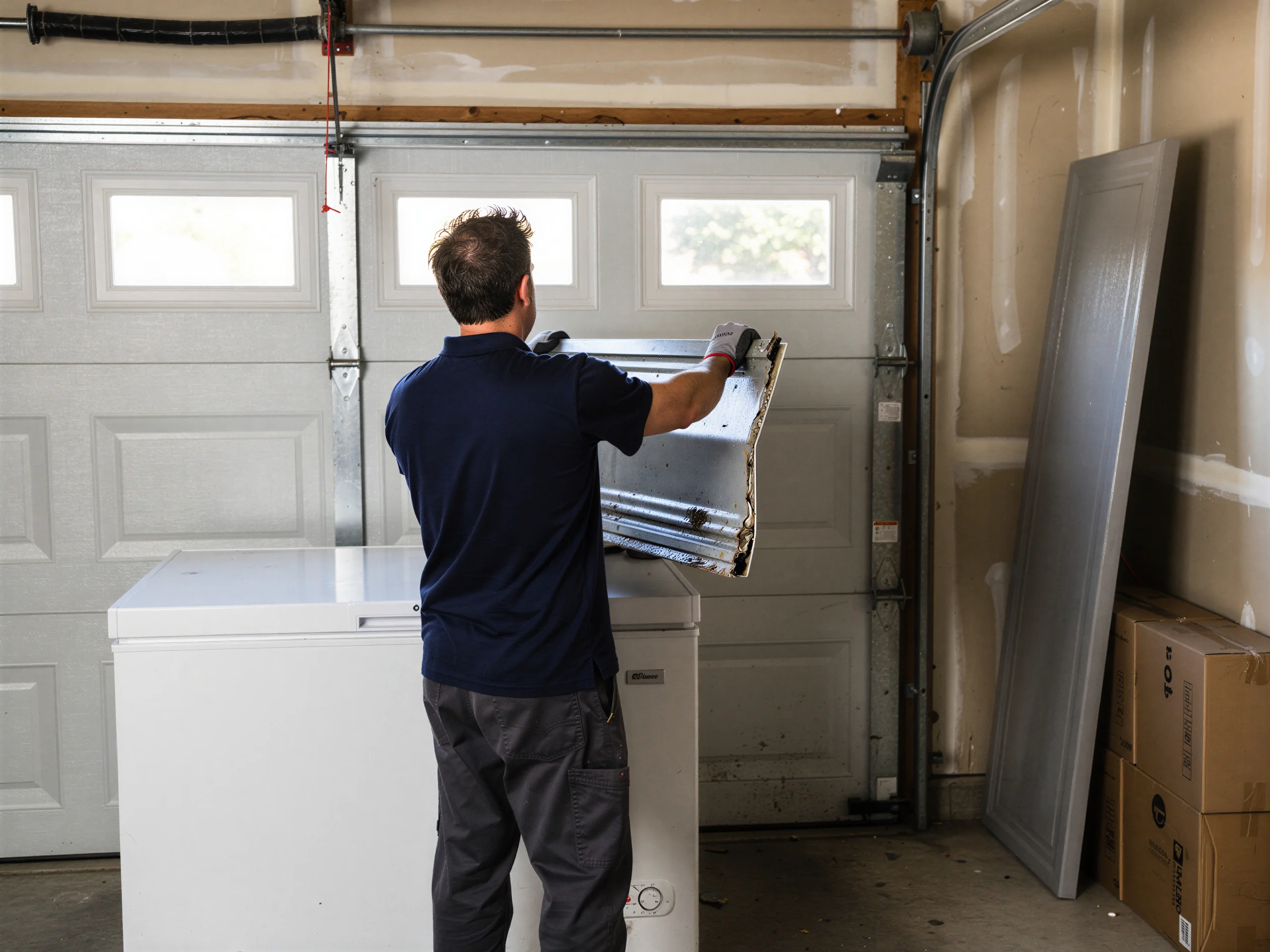
You'll also see warping on a mid panel where the foam has pulled away from one side, which shows up as a visible bow when the door's down and the sun hits it at an angle.
 Missoula, MT
Frenchtown, Missoula
Panel replacement for Frenchtown's early-90s garage doors - steel sandwich panels, cold-climate foam fatigue, and why a tech brings the sizes out on the 15-mile drive.
Booking
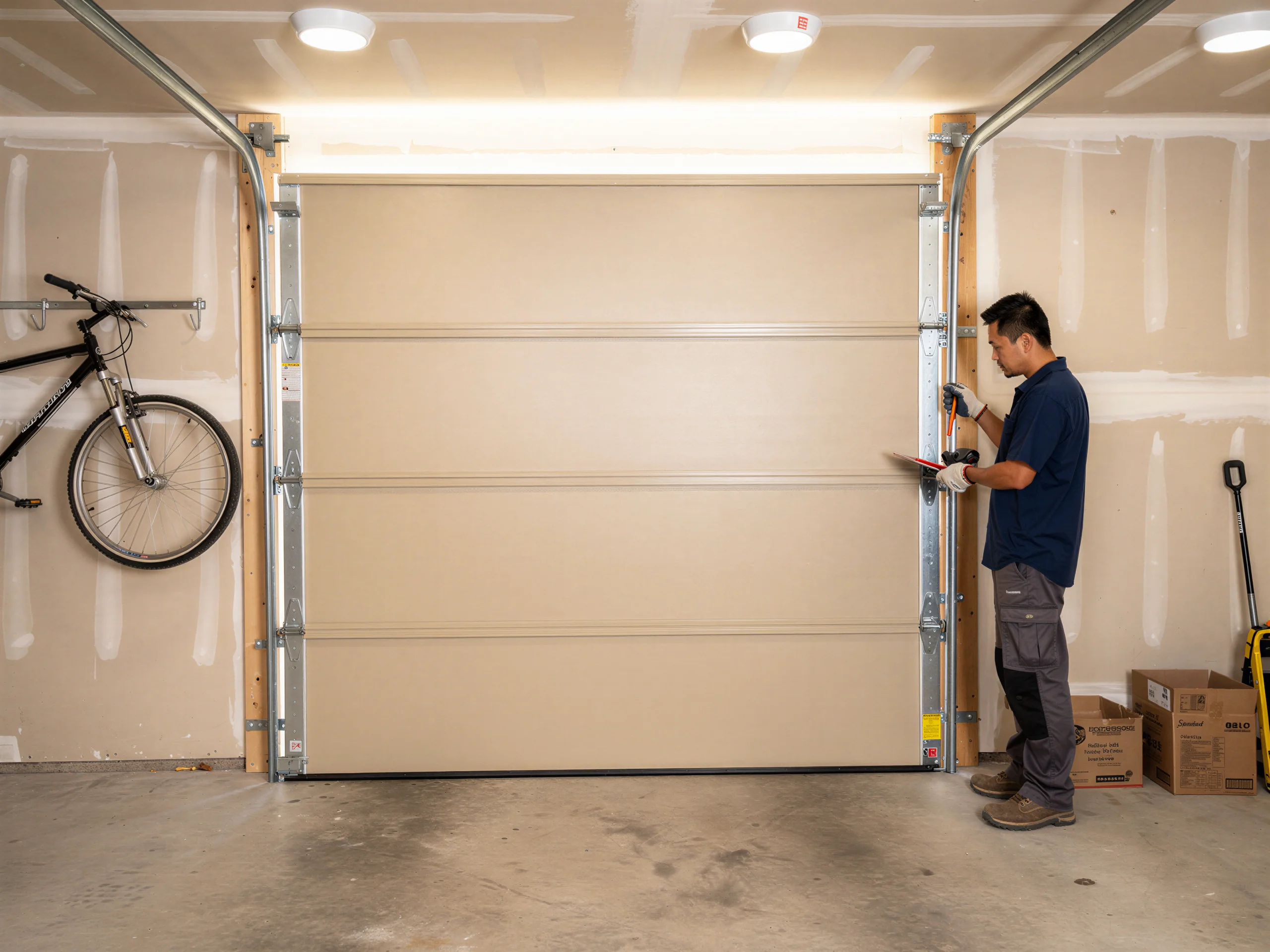
Frenchtown has roughly 541 households, which is a small slice next to the 7,500 across the wider service area. That matters for how a panel job gets booked: there's no local supply drop out here, so the measuring and the parts sourcing happen before the truck leaves Missoula, not after. A tech coming out the fifteen miles needs to know the panel width, the hinge spacing, and whether the door is a standard raised-panel steel set or something older before he's on your driveway, because a second trip for the wrong size costs a half day, not twenty minutes. If you can get a clear photo of the full door and the damaged section to us ahead of time, that's the single biggest thing that keeps the visit to one trip. We'll also ask what year the house went up, since that tells us a lot about what's behind the skin before anyone pulls a panel.
Local causes
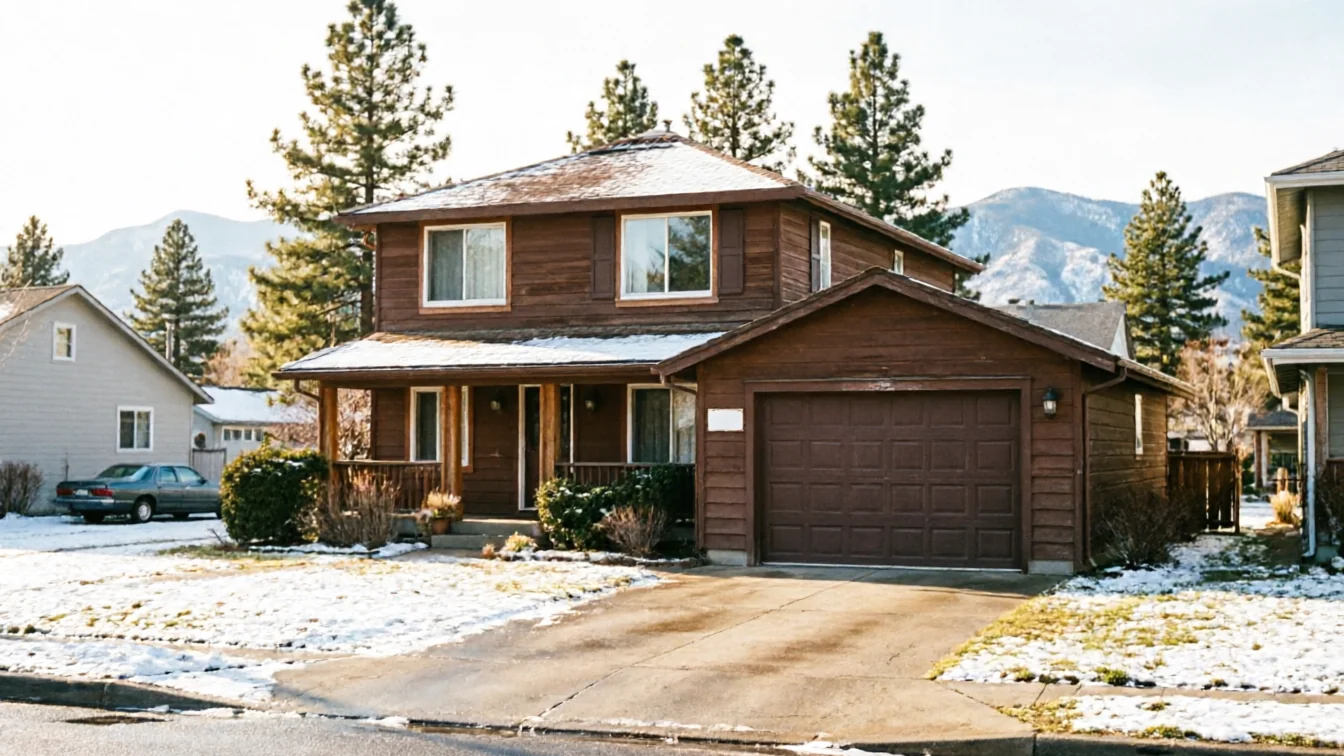
Housing in and around Frenchtown mostly dates to around 1993, which puts most garage doors here into one narrow band: steel sandwich panels with a foam core, built in an era when insulation ratings were lower than what you'd buy today. Thirty-some years of cold-climate cycling does specific things to that foam - it shrinks away from the steel skin, and once there's a gap, the panel flexes more than it should every time the door runs. The service area sits in a severe cold climate band, and panels that flex repeatedly in sub-zero weather are the ones that crack at the seams rather than dent cleanly. A full panel isn't usually the first thing to fail - it's the bottom section, which takes the brunt of plow snow, ice buildup, and the occasional bumper tap, and on a door this age, replacement panels in a matching profile aren't something a supplier keeps on the shelf.
Warning signs
The most common call is a bottom panel that's caved in or split along a seam - usually from ice load or a backed-into door rather than age alone, but age sets the stage by making the steel more brittle in cold weather.
You'll also see warping on a mid panel where the foam has pulled away from one side, which shows up as a visible bow when the door's down and the sun hits it at an angle.
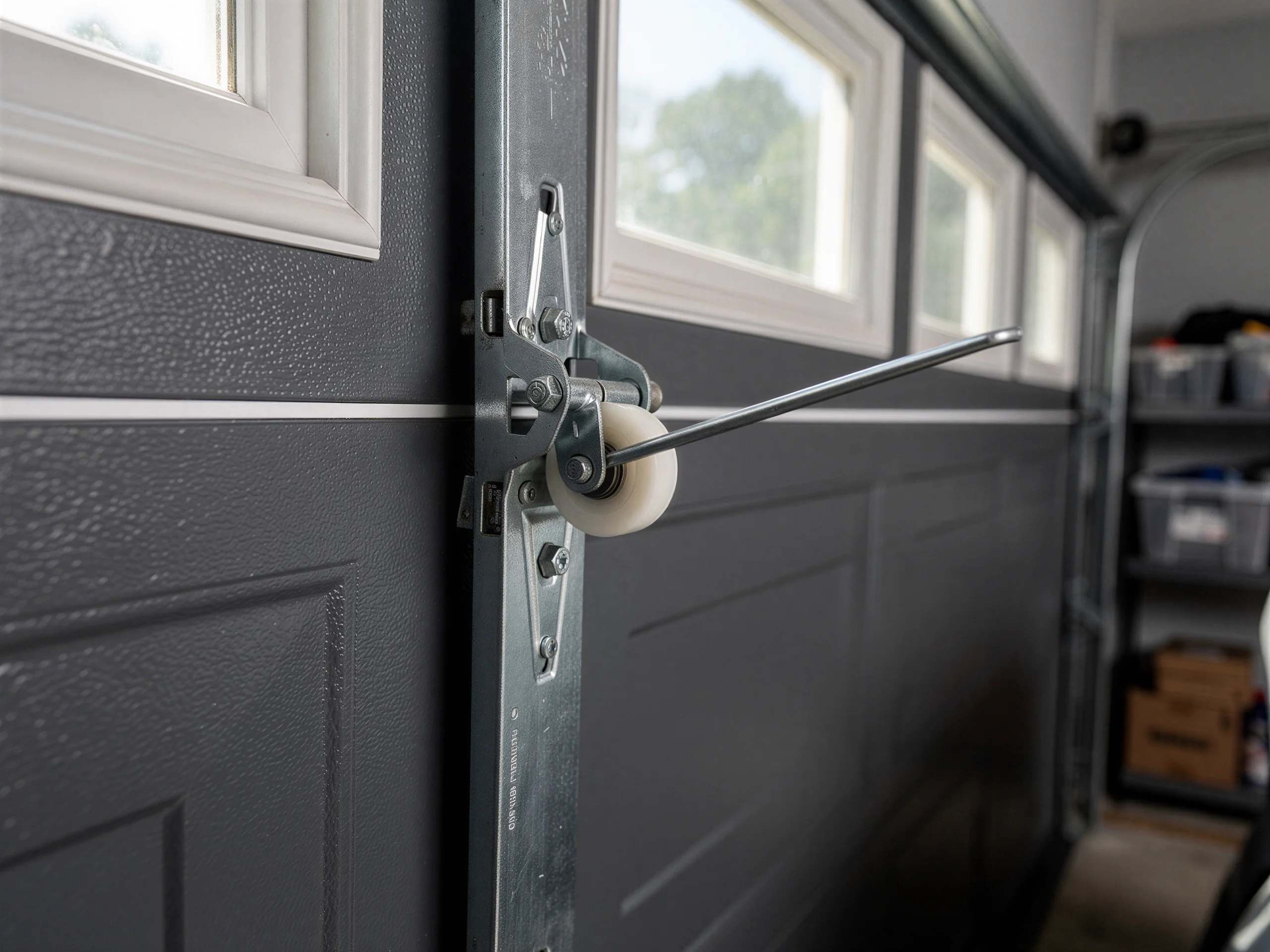
On doors from the early '90s, the panel-to-panel hinges are often a slightly different gauge than what's sold today, so a replacement panel that looks right can still bind at the hinge line if it's not matched carefully.
None of this is urgent in the way a broken spring is - the door still runs - but a cracked panel lets cold air and moisture into the garage all winter, which is its own slow problem in this climate.
The repair
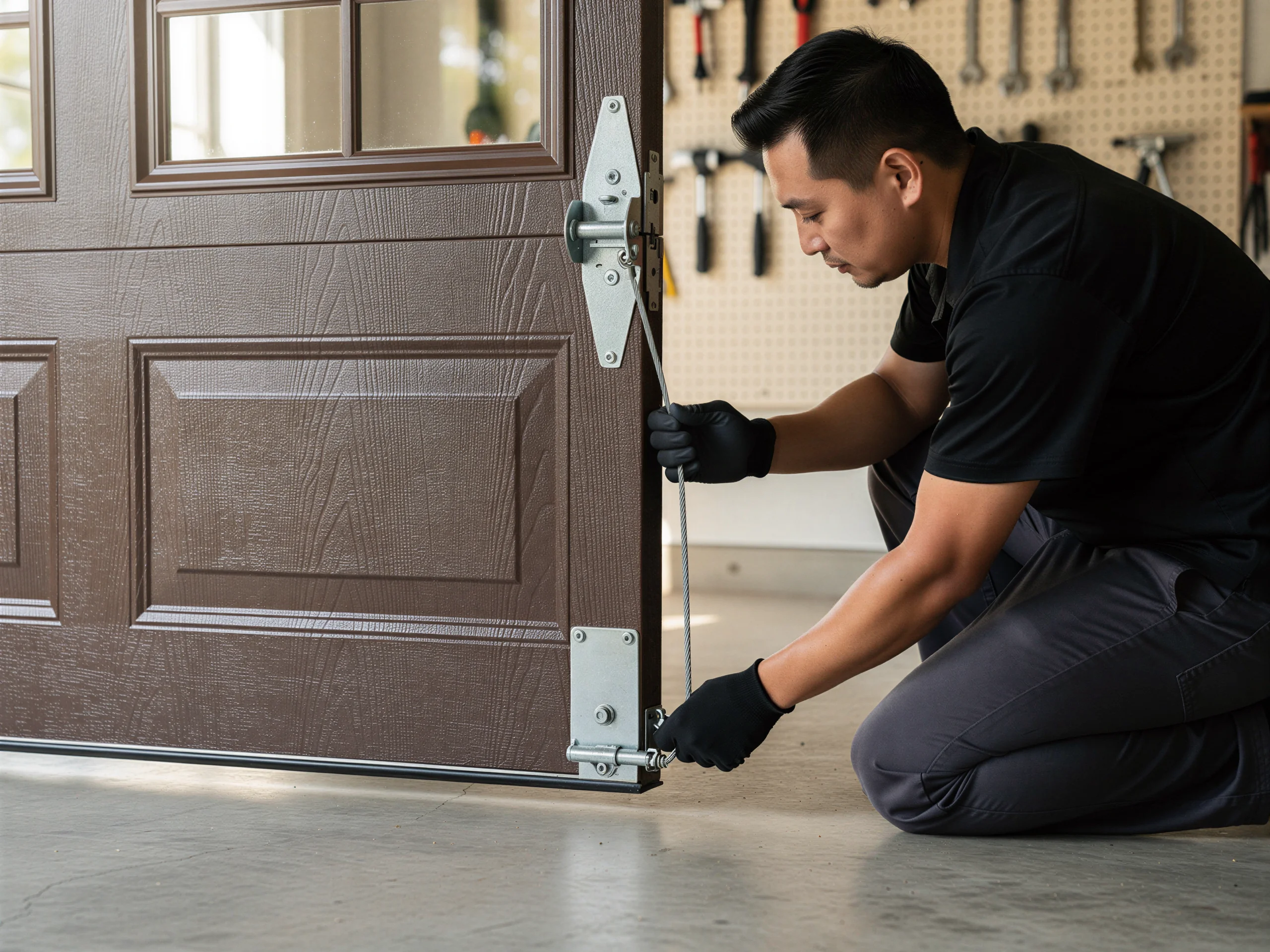
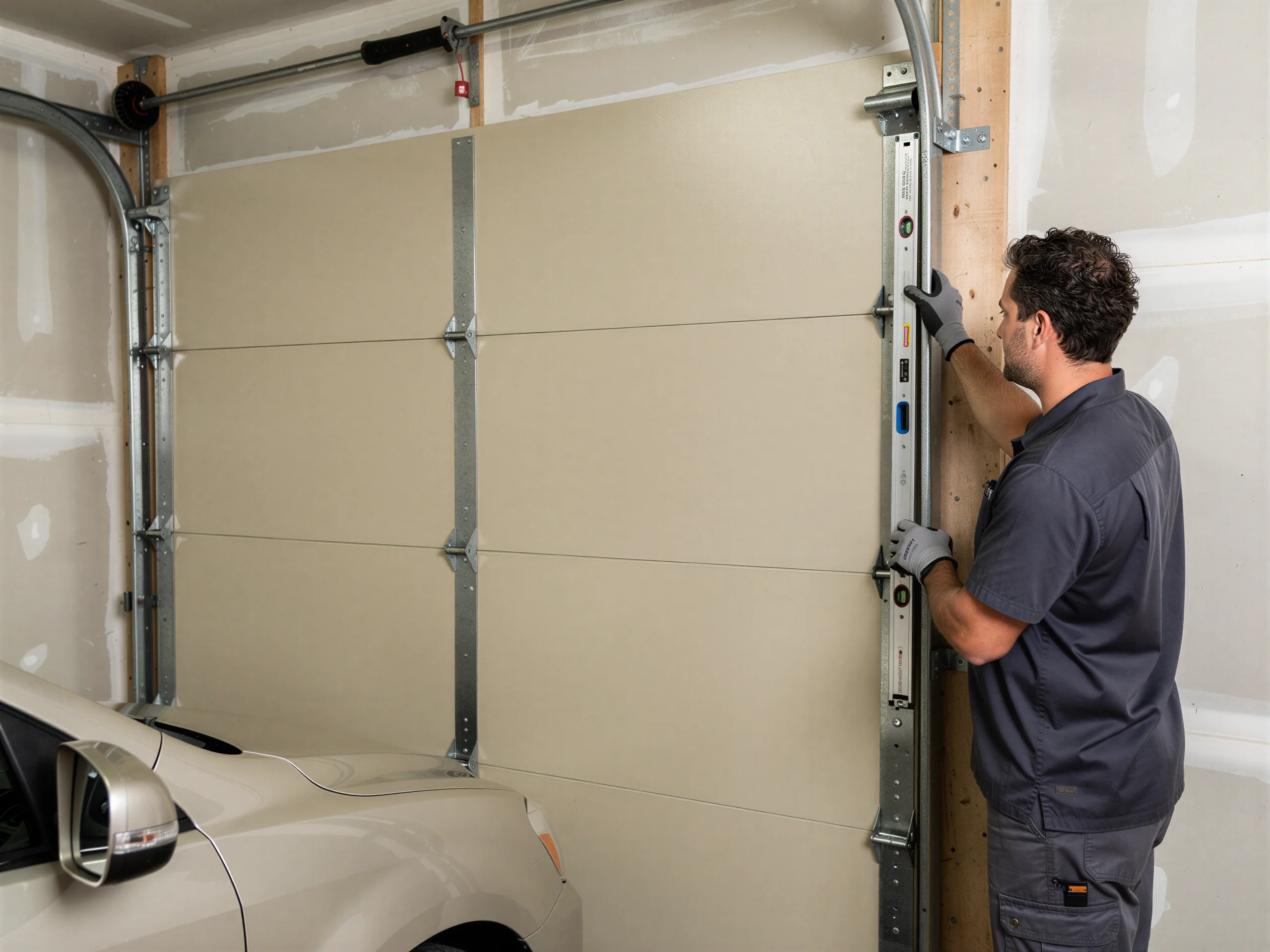
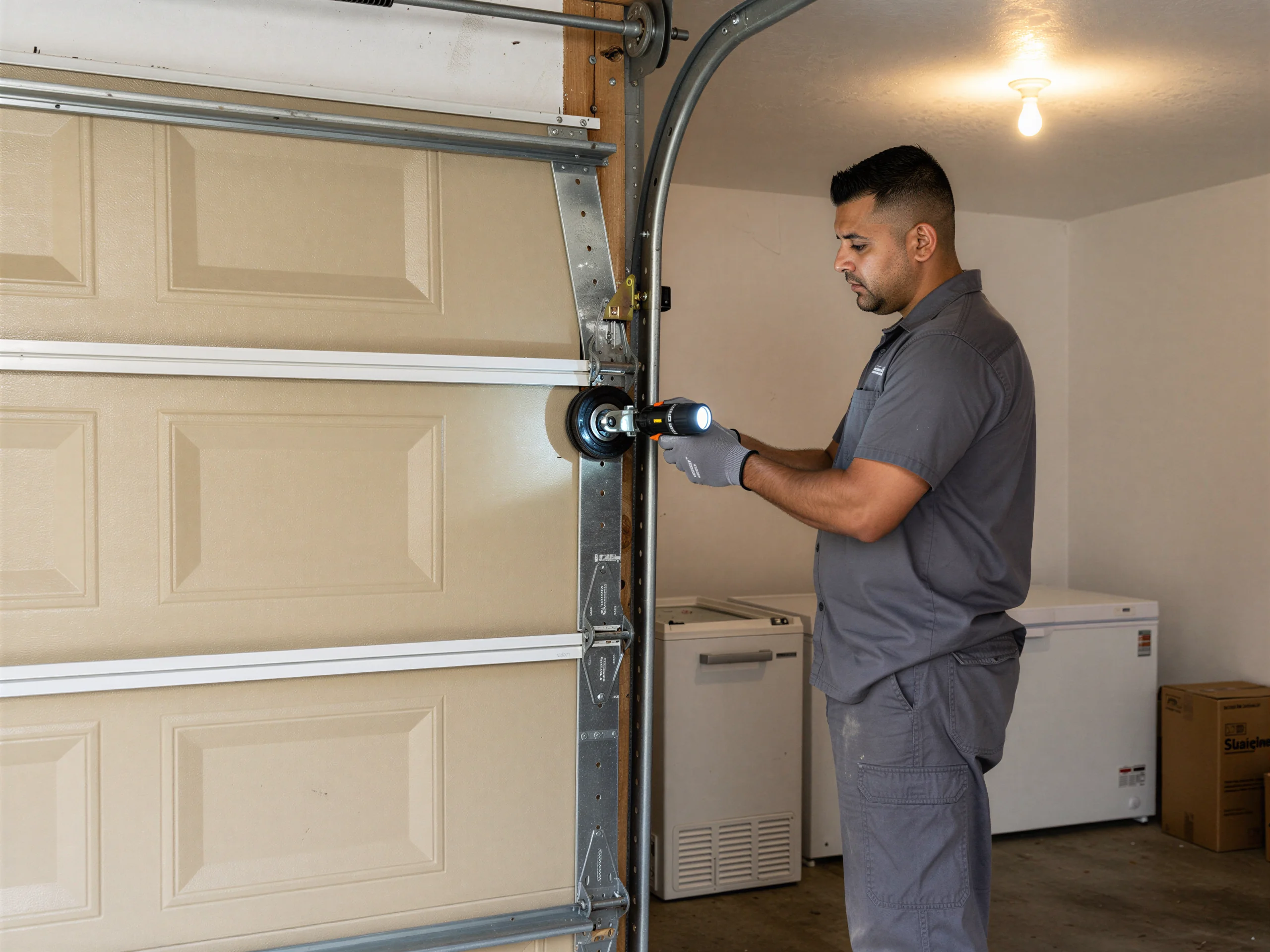
Single-panel replacement means matching the section - width, panel height, and whether it's a raised, flush, or ribbed profile - then setting it into the existing track without disturbing the panels above it.
On a door from the early '90s, exact-match panels sometimes aren't available anymore, and the honest fix is a close color and profile match rather than a true original.
We'll tell you straight if that's the case before any work starts, since some owners decide at that point it makes more sense to replace the whole door rather than live with a visible mismatch.
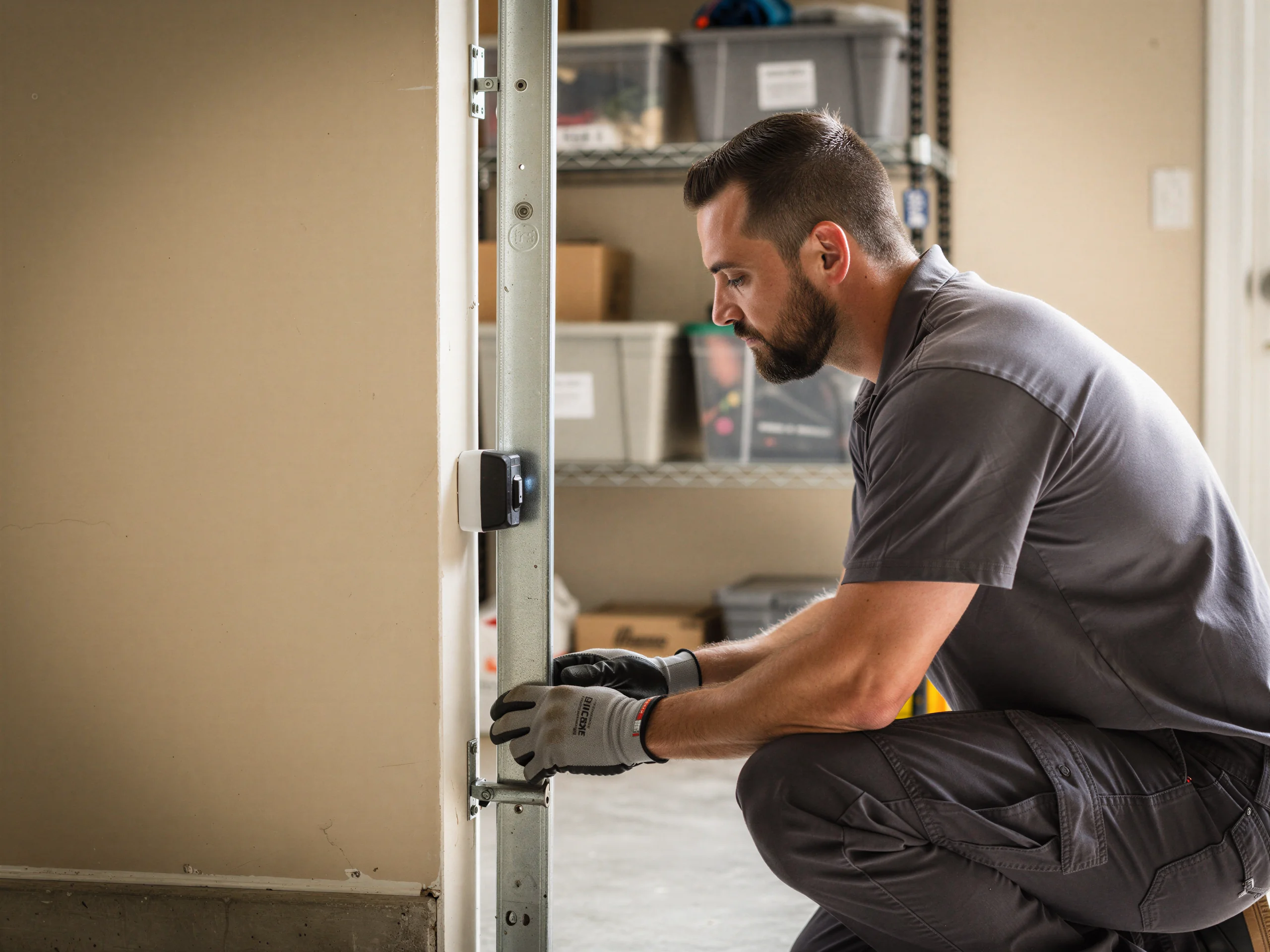
If the track or hinges show wear from the old panel flexing, those get checked too - a new panel bolted to a bent hinge will just crack again. We don't stock every panel profile on the truck, so anything outside the common styles gets ordered first, which is part of why getting ahead of the measuring matters out here.
Job timing
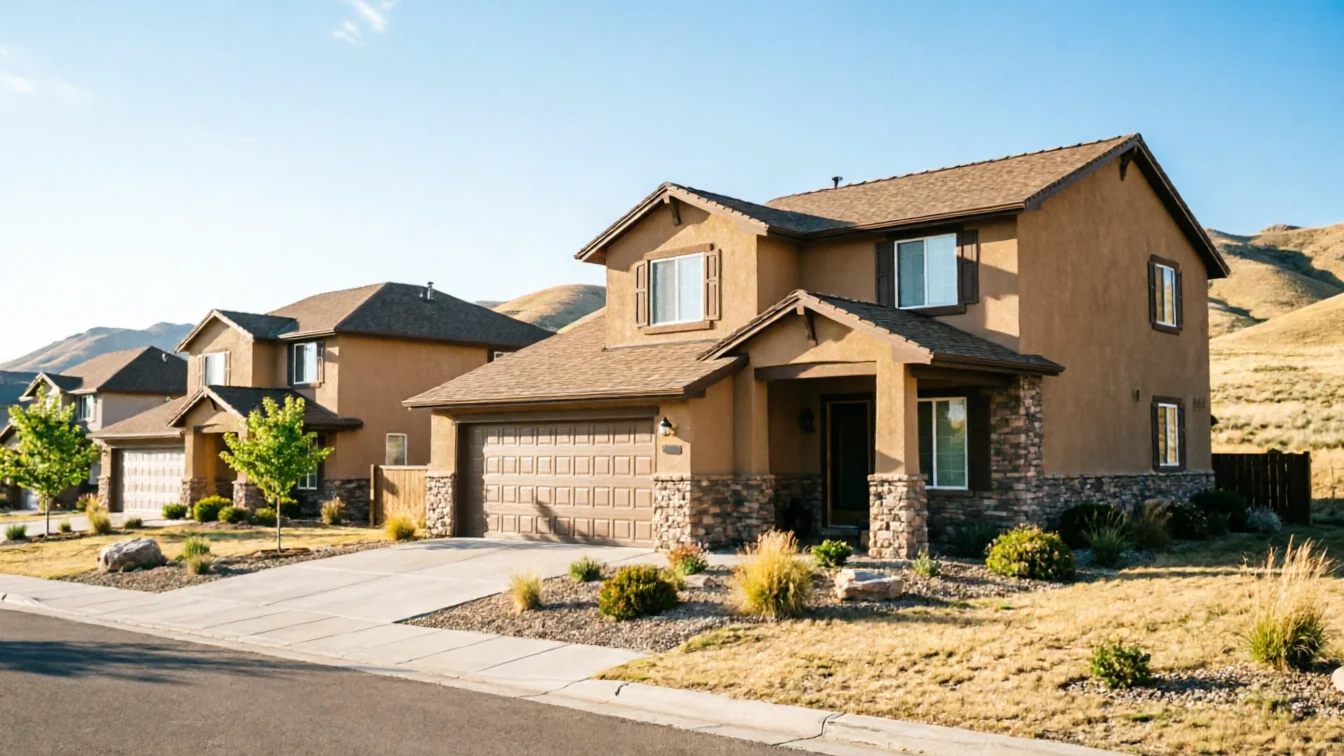
A straightforward single-panel swap, once the right panel is on hand, usually runs an hour or two of hands-on work. What adds time in Frenchtown isn't the install - it's the lead time on sourcing a panel that matches a door built around 1993, especially if the exact profile is discontinued. We'd rather tell you the part's three or four days out than show up with something close enough and hope it passes. Given the area's household income runs higher than the broader service area average, we also see more owners choose a full panel-set match over a mismatched single panel for appearance's sake - that's a longer job, closer to half a day, since it touches every panel instead of one.
Questions
Often, yes, but not always exactly. Doors from the early '90s sometimes use profiles that are no longer made, so we may need to source a close match in color and ribbing rather than an identical original. We'll tell you before the work starts if that's the situation so you can decide whether a full door replacement makes more sense instead.
Not usually. With the distance out and the smaller number of households here, we measure and confirm the panel style first, then bring the matched part on the scheduled visit rather than guessing and risking a second trip.
Not in the way a broken spring is - the door still opens and closes. But a cracked seam lets cold air and moisture into the garage all winter in this climate, so it's worth fixing before the next cold stretch rather than leaving it.
That's usually foam core pulling away from the steel skin after years of cold-weather flexing, common on doors built in the early '90s. It shows as a bow rather than a sharp dent, and it's a sign the panel's structural, not just cosmetic, and worth replacing.
Explore more
Ready when you are
Missoula Garage Door Pros repairs and installs garage doors, springs and openers in Missoula, MT and the surrounding area.