
Torsion spring cycle life
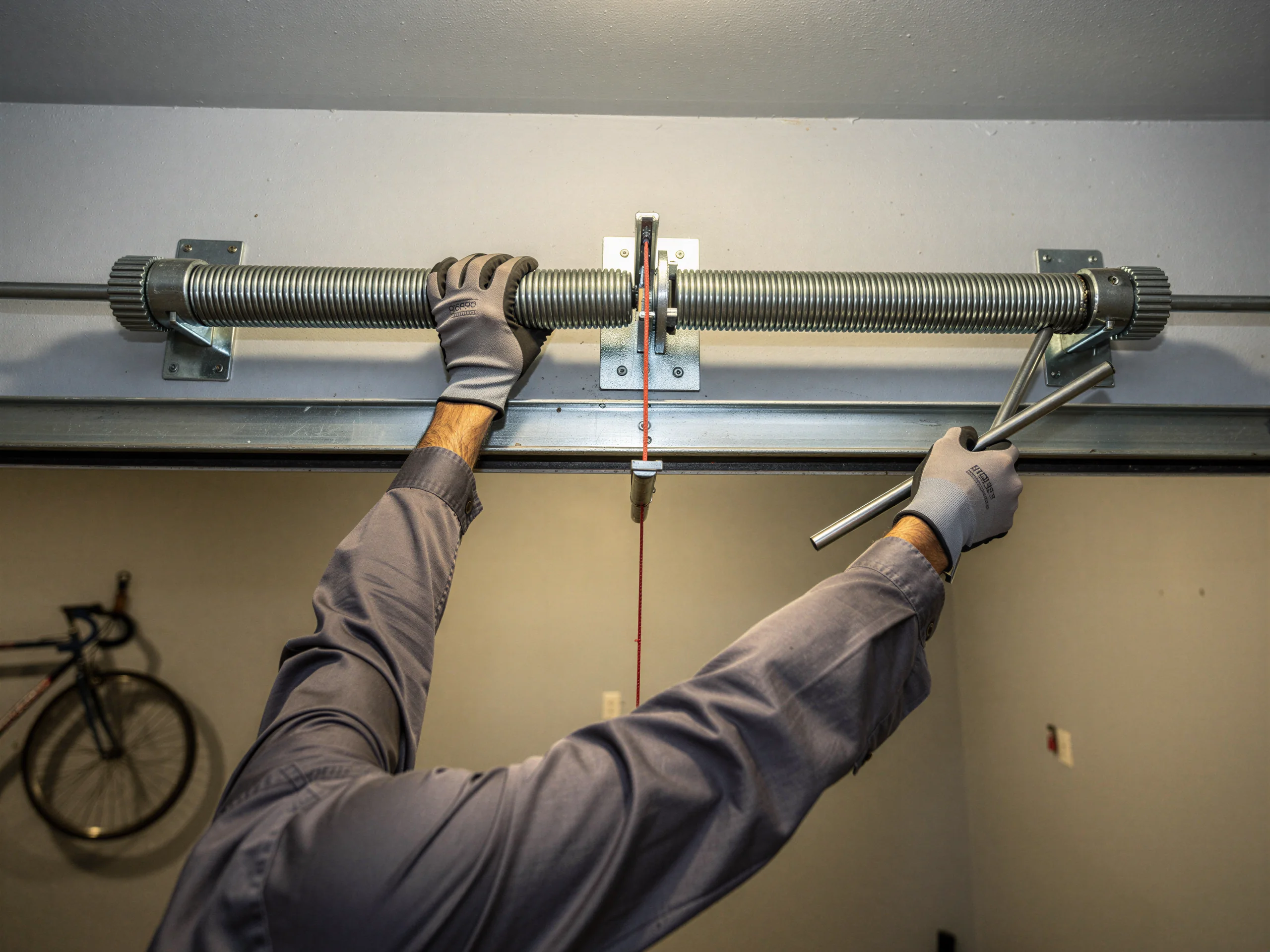
That's past the design life of most torsion springs, which are rated by cycle count, not calendar years, but a door that only moves twice a day can still eat through its coil well before anyone thinks to check it.
 Missoula, MT
Frenchtown, Missoula
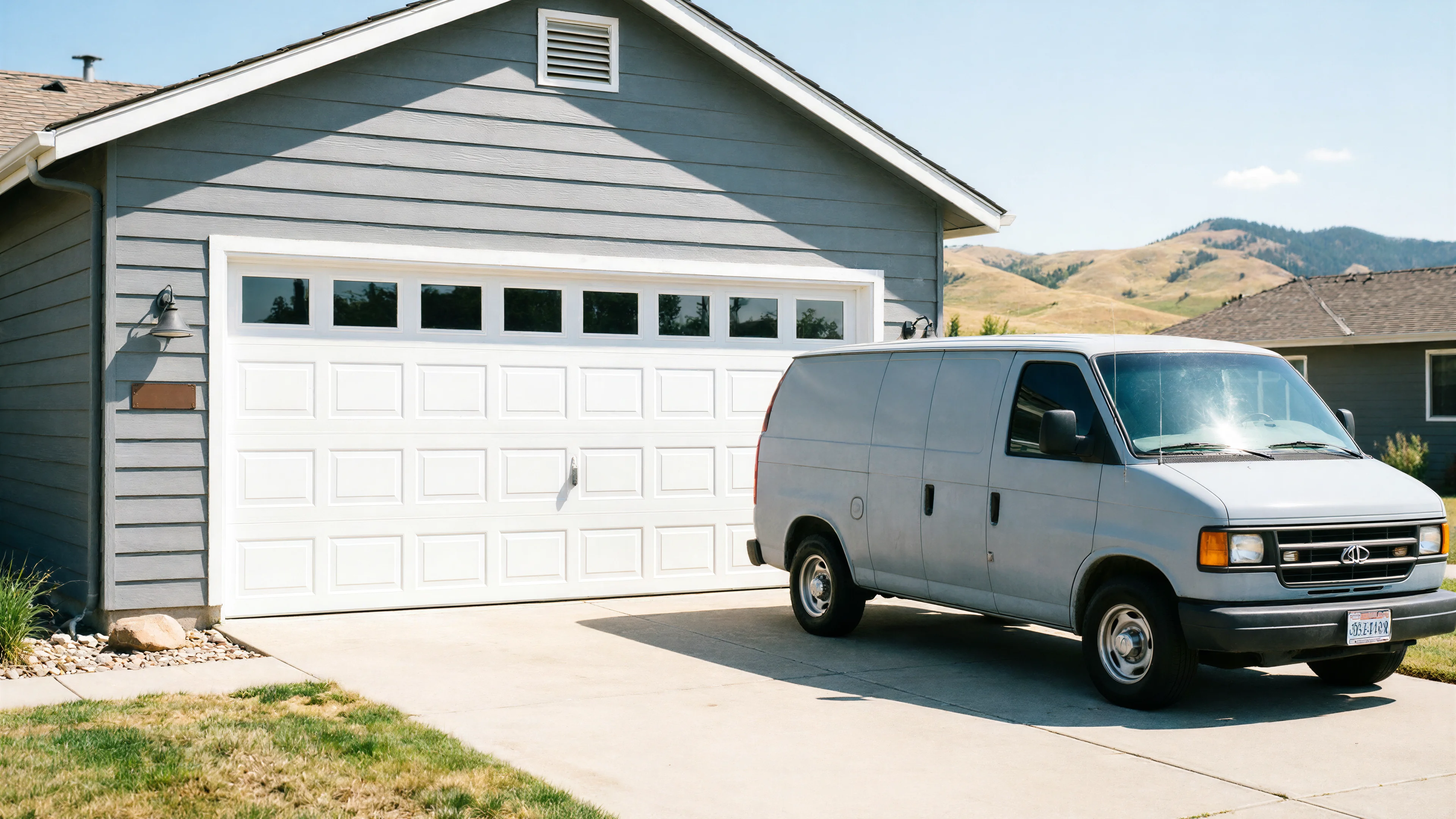
Garage door repair and install for Frenchtown's 541 households, mostly built around 1993 - original springs and openers still doing the work 30 years later.
Booking
Frenchtown sits about 15 miles out from our shop in Missoula, so when you call, we're scheduling a drive, not a walk-in. That means we plan the truck around your door's actual problem rather than guessing at it over the phone - tell us what you're hearing or seeing and we'll bring the right springs, cables, or rollers the first trip instead of a second one. With roughly 541 households in the area, we're not out here every day the way we are closer to town, so a clear description of the fault helps us get it right in one visit.
We don't keep a branch or a drop box in Frenchtown. Every job is dispatched from Missoula, which is worth knowing if you're hoping for a same-hour fix - we'll give you an honest window when you call rather than a number we can't hit.
Local causes
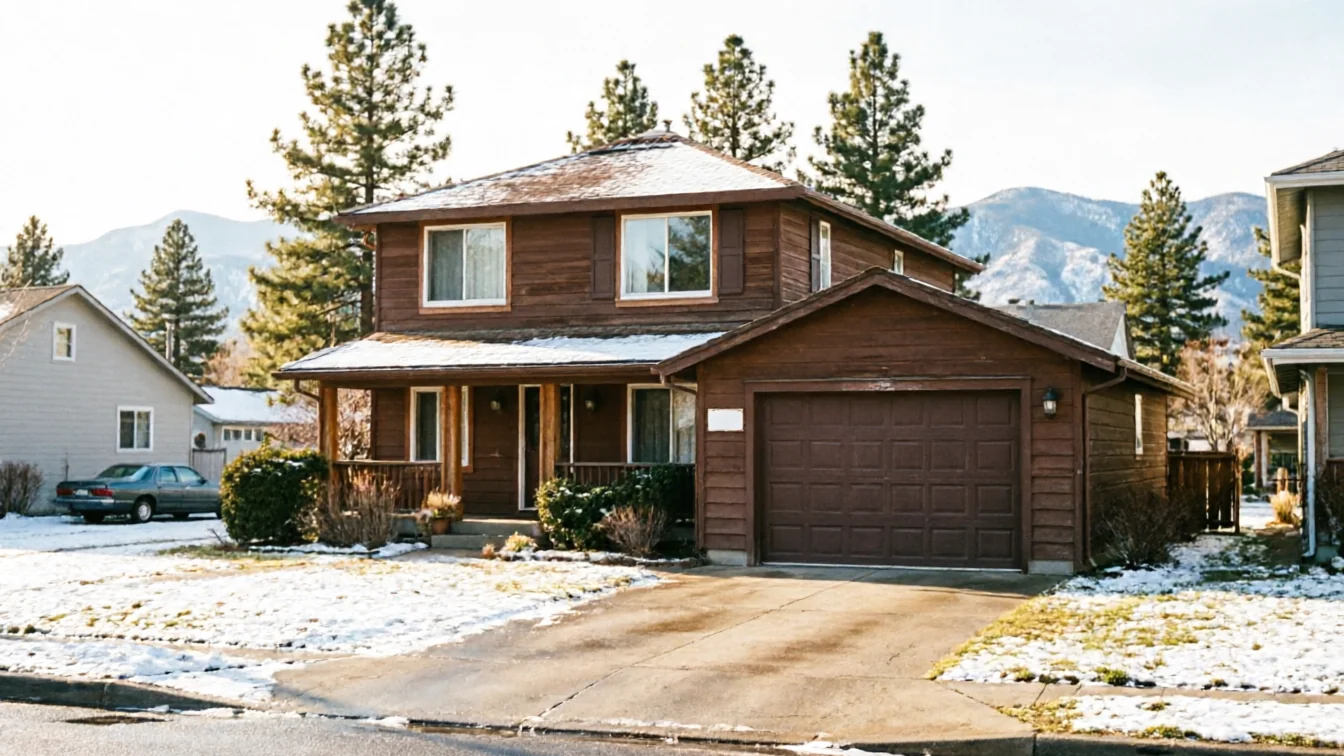
The median house in this part of the valley went up around 1993, which puts a lot of original garage door hardware at roughly thirty years of service.
That's past the design life of most torsion springs, which are rated by cycle count, not calendar years, but a door that only moves twice a day can still eat through its coil well before anyone thinks to check it.
Openers from that era are usually chain-drive units with the first generation of safety reversal sensors - functional, but slow, loud, and parts-scarce now. The cold band this area sits in matters too.
Hard freezes stiffen steel springs and thicken old grease on tracks and rollers, so a door that worked fine in October can bind or refuse to open once temperatures drop hard. On a 1990s build, that's often the first real sign anything's wrong, because the hardware was slow enough, worn enough, and finally gets pushed past its margin by the cold.
Warning signs
In houses from this build era we see a specific pattern: the opener runs but the door lags behind it, usually because a spring has lost tension gradually rather than snapping outright. Owners describe it as the door feeling heavier than it used to, or the opener straining and clicking off mid-cycle. That's a safety sensor or a limit switch doing its job, not a sign the opener itself is dying.
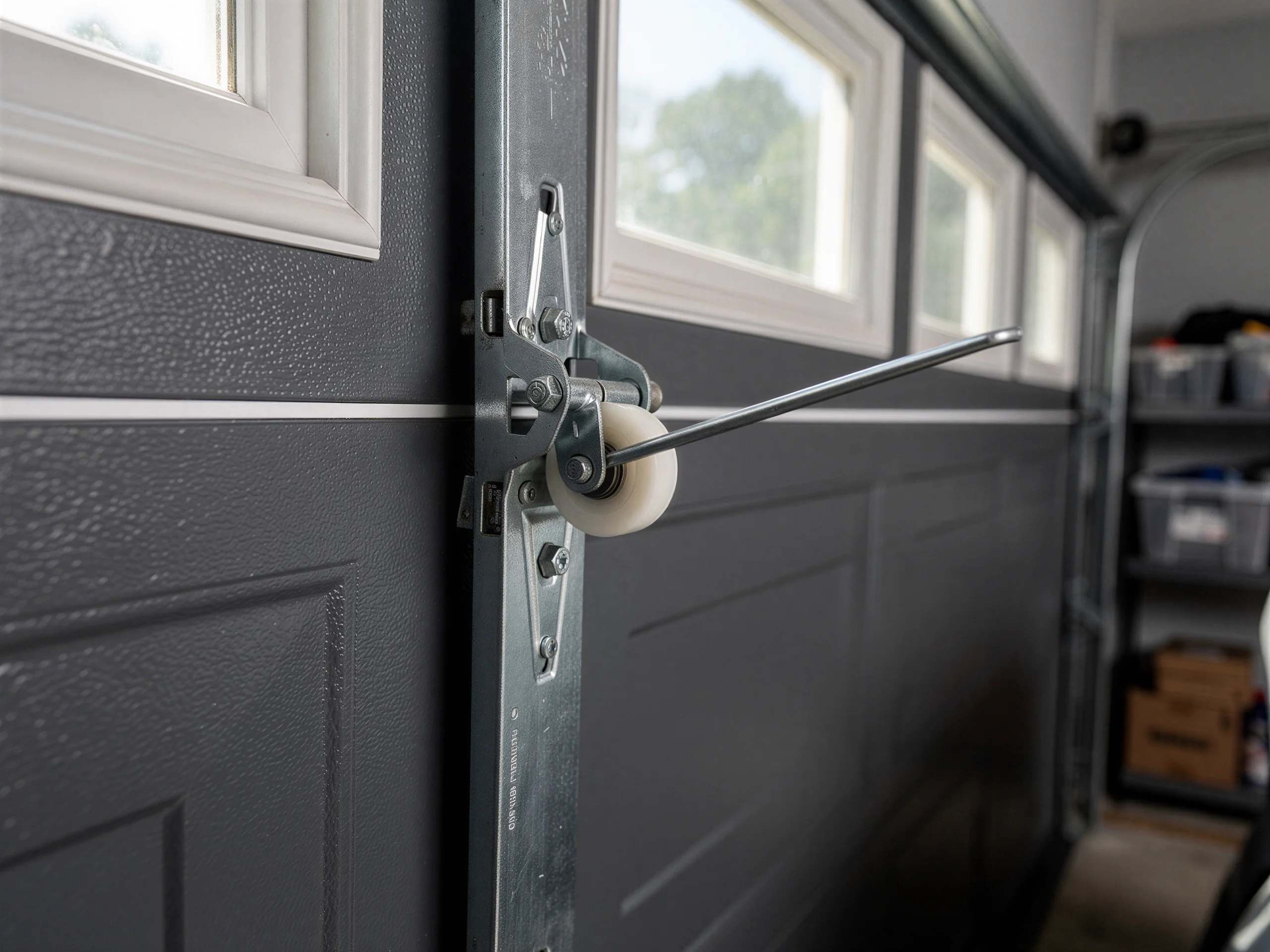
Track misalignment shows up too, especially where original steel brackets have loosened over three decades of thermal cycling through cold Montana winters and warm summers. A door that scrapes on one side, or that reverses right before it closes, is usually hardware fatigue rather than anything new wrong with the panel itself. None of this is dramatic failure - it's slow wear finally catching up with a door that's otherwise original.
The repair
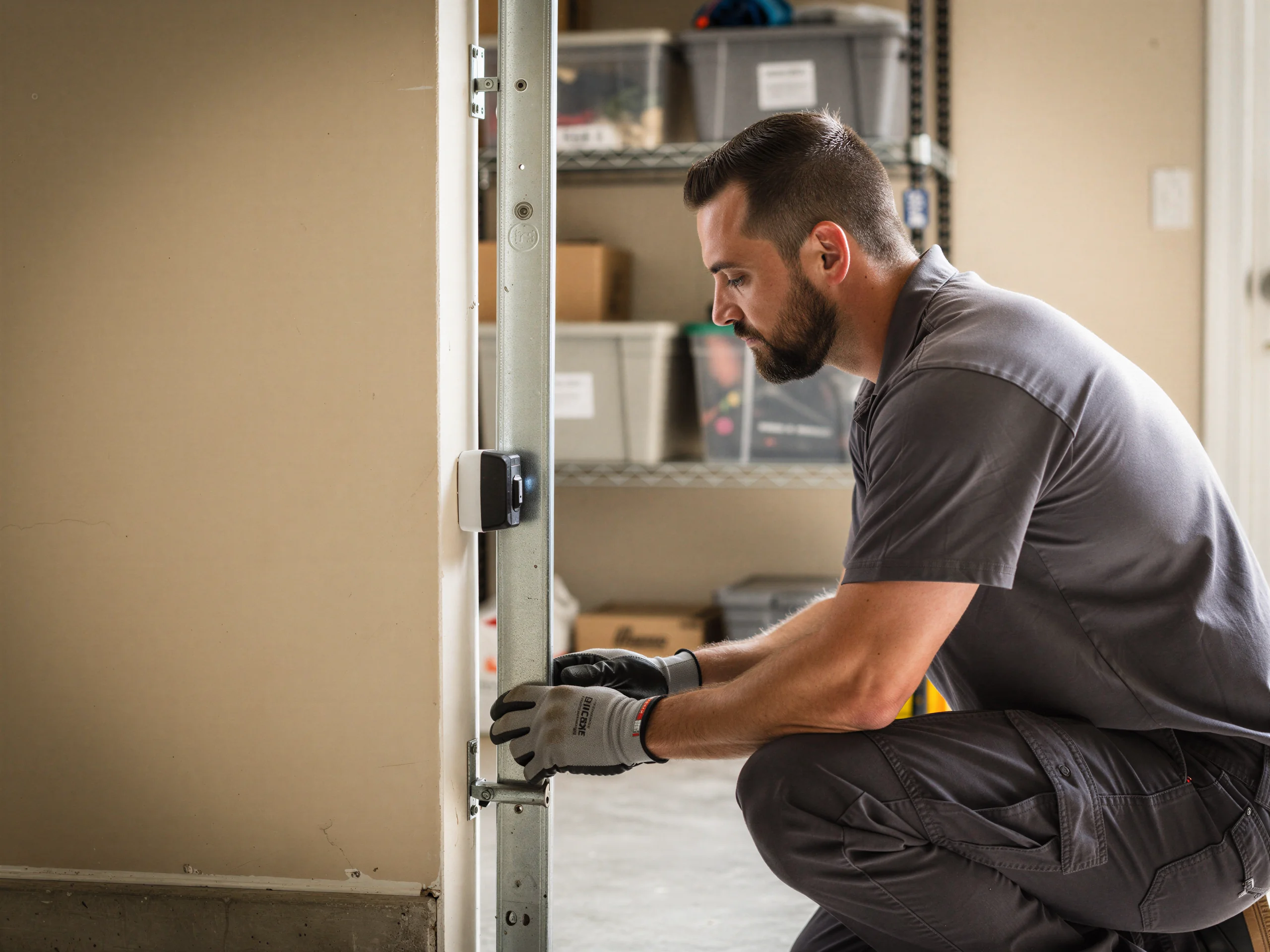
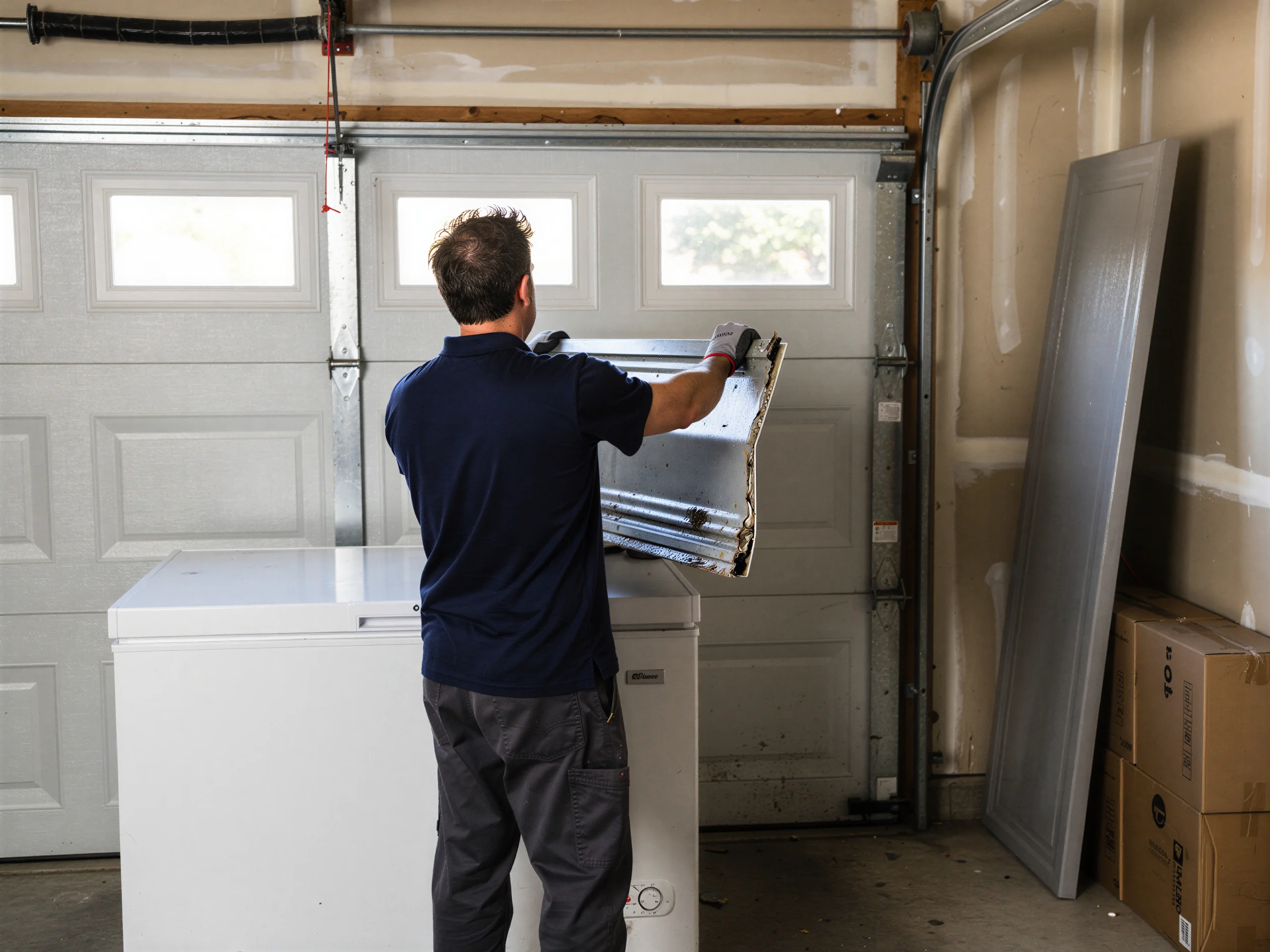
Most calls from this stretch end up being a spring replacement, a cable swap, or both, since the originals on a 1993-era build have usually never been touched.
We size the new spring to the actual door weight rather than reusing what's there, because doors have sometimes been upgraded or insulated since the original install even when the opener hasn't. Where the opener itself is the original chain-drive unit, we'll tell you plainly when it's worth replacing versus patching.
A thirty-year-old opener with failing capacitors or a worn gear can often be nursed along for a season, but parts for that generation are getting harder to source, and at some point a repair costs more than a new unit. We won't sell you a new opener if the fix is a twenty-dollar part - but we also won't tell you a dying motor just needs oil.
Job timing
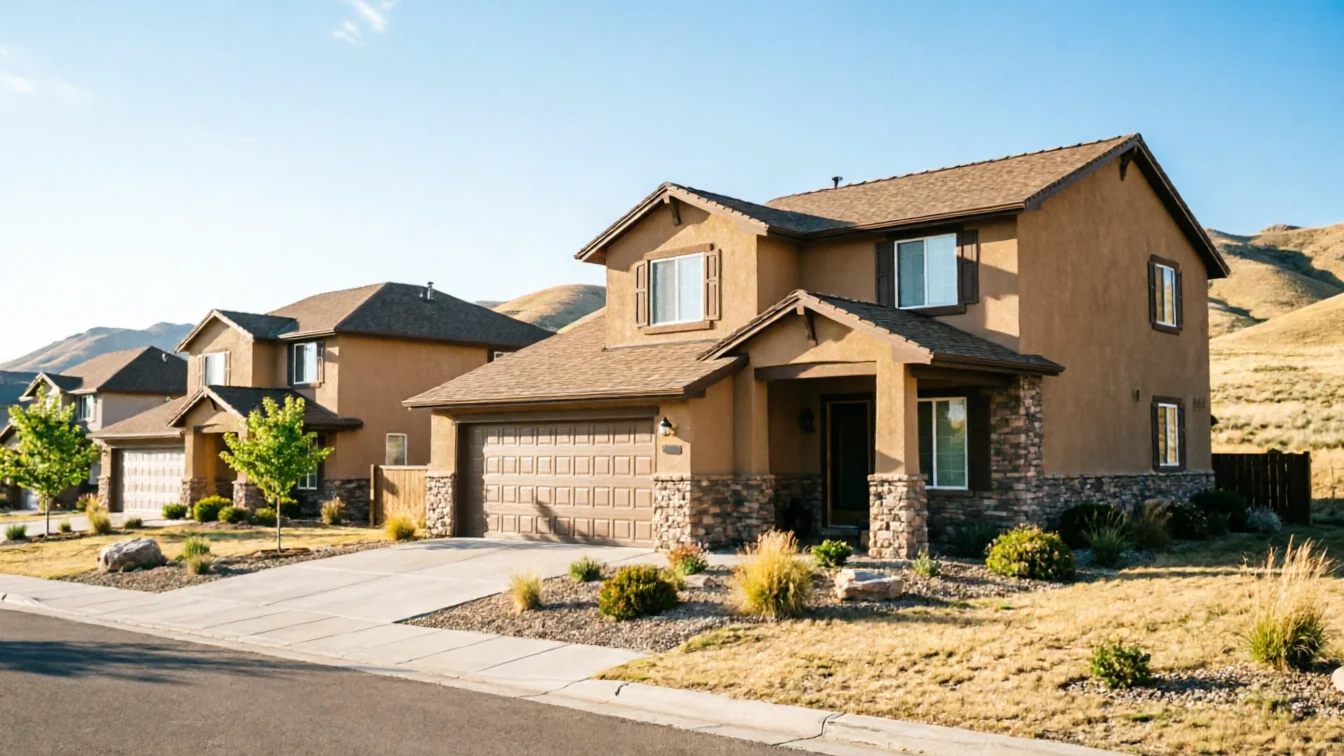
A straightforward spring and cable job on a standard double door usually runs under two hours once we're on site, parts in hand. Track realignment or a full hardware refresh on an original 1990s setup takes longer, since loosened brackets often need to be reset into solid framing rather than just retightened. We don't quote an on-site time until we've seen the door, because what looks like a simple spring call sometimes turns into a bent track underneath it.
Given the drive out from Missoula, we try to batch what needs doing in one trip rather than leaving a return visit for something we could have caught. If a job turns out to need a part we don't carry on the truck, we'll say so and give you a real timeline instead of a guess.
Questions
Often yes, especially if it's just a worn sensor or capacitor. But original chain-drive openers from that era are reaching the end of their expected service life, and parts are getting scarce. We'll look at the actual fault and tell you honestly whether a repair makes sense or if replacement is the better spend.
Cold stiffens torsion springs and thickens old grease on tracks and rollers. On a door with original 1990s-era hardware, that extra resistance is often what finally reveals a spring that was already near the end of its cycle life - the cold doesn't cause the wear, it just exposes it.
No. We run jobs out here from our shop in Missoula, about 15 miles away. We don't keep a local branch or stock depot in Frenchtown, so we schedule the drive around your job rather than offering a walk-in response time.
Torsion springs are rated by cycle count, not age, but a door original to a 1993 build has likely seen thirty years of use without replacement. That's well past typical spring life, so a door that feels heavy or makes new noise is worth having looked at before it fails outright.
Explore more
Ready when you are
Missoula Garage Door Pros repairs and installs garage doors, springs and openers in Missoula, MT and the surrounding area.